Gather and Sow: August 2026
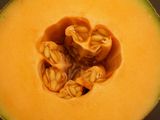
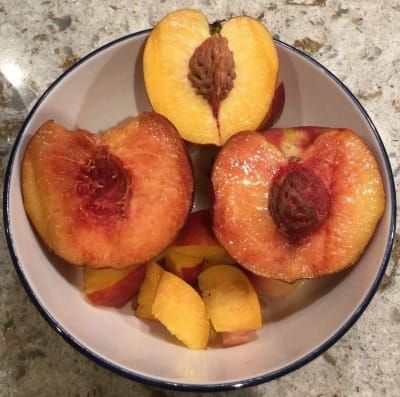
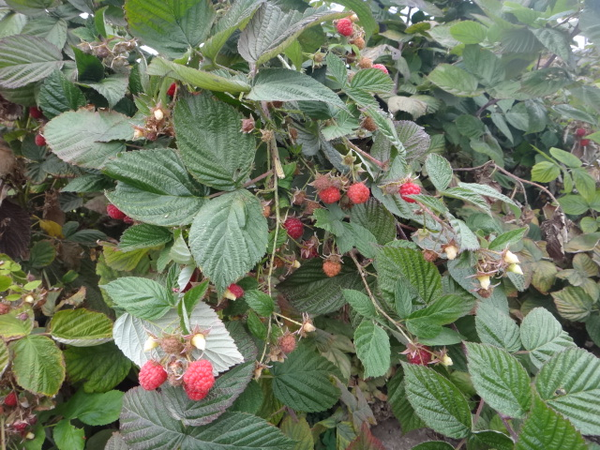
Does the summer heat have you feeling drupey? Last month we broke down brambles for you, showing that their “berries” were really aggregates of drupelets. This month in Food for Thought we take on full-sized drupes––peaches, nectarines, cherries, apricots, and almonds. Yes, we know that the peak of peach season has come and gone. But now is the best time to grab the last of the market’s peaches, in anticipation of cooler days when you might appreciate a little burst of summer on your toast. We do just that in the Botany Lab of the Month, where we combine our favorite rose family drupes with fresh mint from the garden to make a jam so sweet and rich that it tastes like justice itself. Mmmmmm…peach-mint jam.
We conclude with recent journal articles and other media of interest in Gleanings and Baker's Dozen.
Food for Thought
Feeling Drupey
It’s August, and we are keeping things easy with a profile of peaches, the most straightforward of all the rose family fruits in our kitchen. In our last two newsletters, we tangled with strawberries and brambles, deceptive fruits that are definitely not “berries.” But peaches and other stone fruits like cherries, nectarines, and apricots, fit the most basic definition of a fruit: the mature, seed-bearing ovary of a flower. They don’t include any other floral parts, as strawberries and apples do, and they aren’t a collection of small fruits pretending to be one giant fruit, as raspberries are. Morphologically speaking, they are pretty basic.
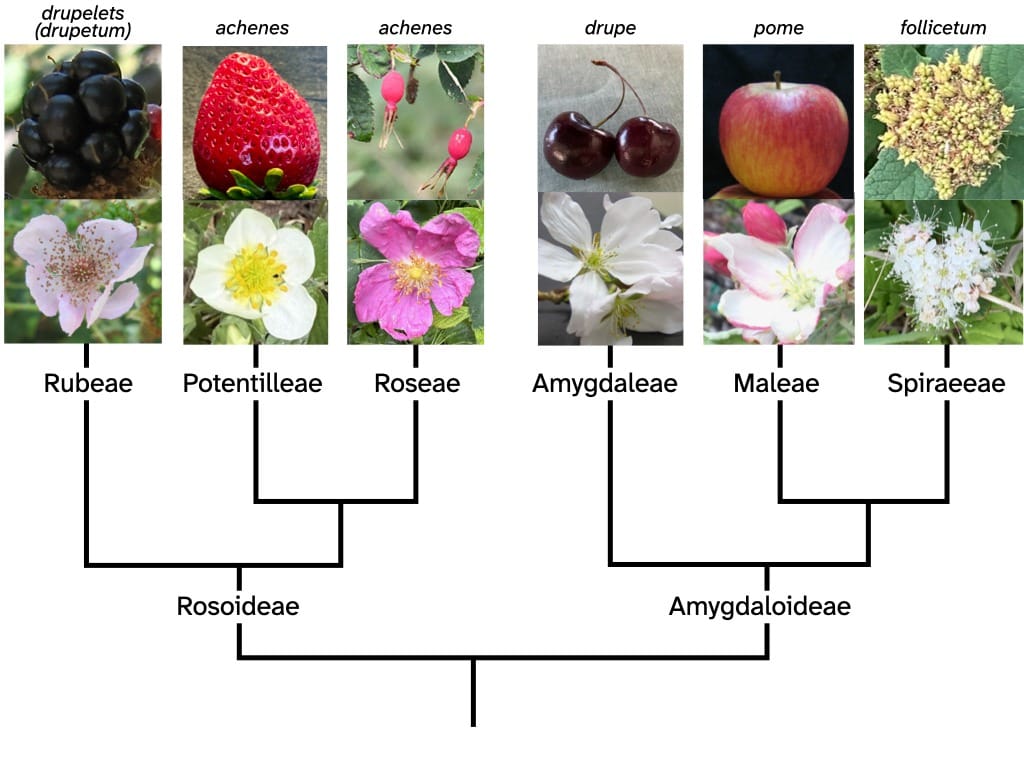
The rose family (Rosaceae) is made up of three subfamilies, only two of which contain the domesticated fruits that we really care about. (The third contains Dryas octopetala, a small plant with dry fruits and an important cameo in the story of plant domestication, but we don’t eat them.) We’ve already spent time with strawberries and cane fruits from the subfamily Rosoideae, and this month we are moving over to the other subfamily, the Amygdaloideae, which includes the stone fruits and apples and pears. All of the stone fruits are in the Amygdaleae clade and its single genus Prunus, represented by about 250-400 species.
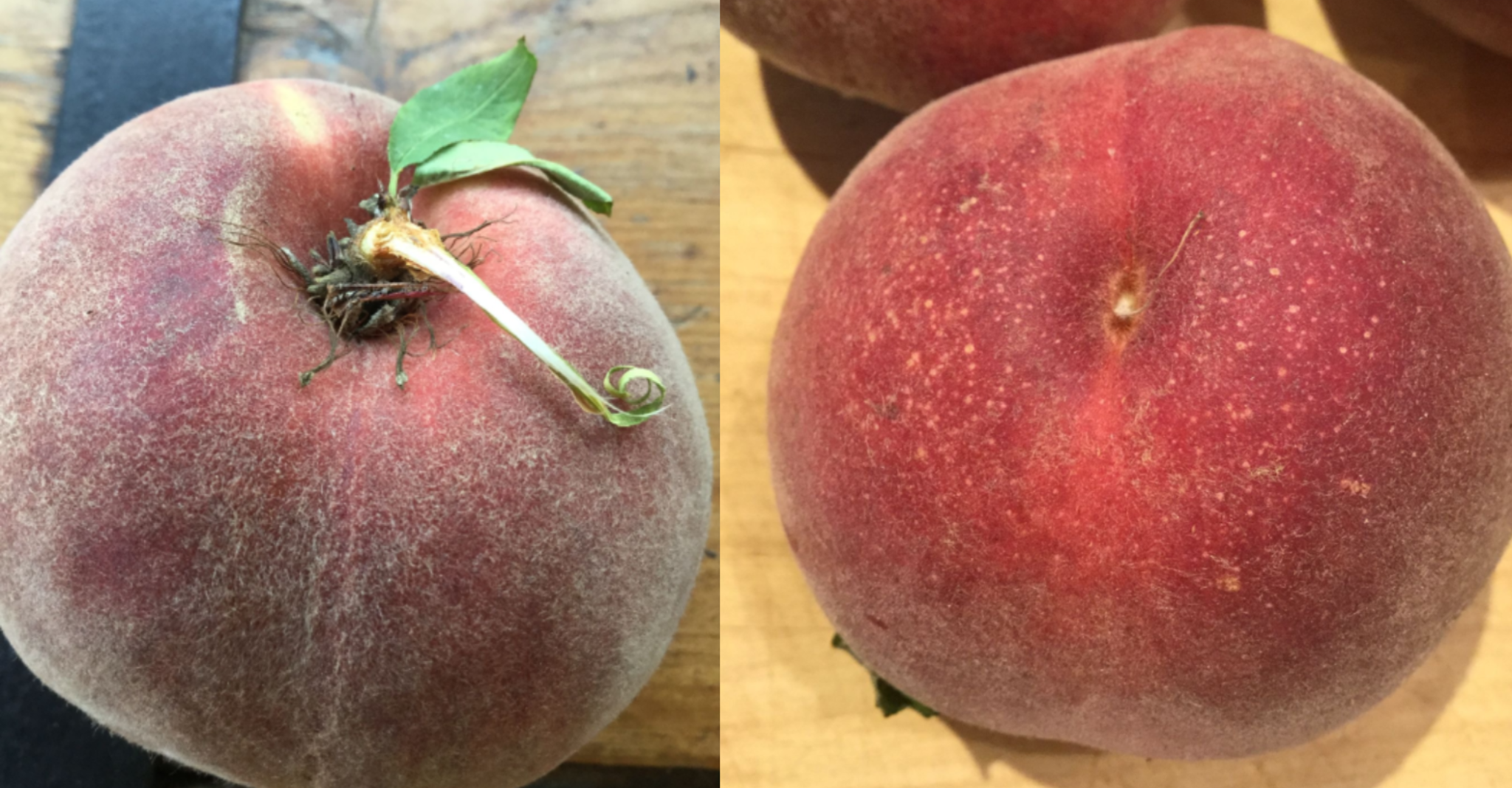
The evolution of the peach butt
Stone fruits are called stone fruits because they have a stony pit inside (made up of “stone cells”) which contains the seed. Fruits like this, with a fleshy mesocarp layer surrounding a hard endocarp layer, are known botanically as “drupes,” and they are not unique to the rose family. Olives and mangoes are other familiar examples. Coconuts are often categorized as only kind of drupe-like, or “drupaceous,” because they have a tough fibrous layer instead of a luscious fleshy one. Although drupes show up throughout the angiosperms, we use “stone fruit” specifically for fruits of the Amygdaleae clade.
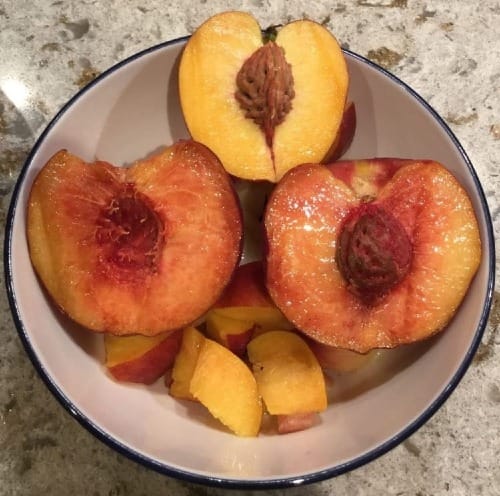
You might wonder how the drupe type of fruit ended up on two such distant branches of the rose family tree: the cane fruit clade (Rubeae) and the stone fruit clade (Amygdaleae). A reconstruction of fruit type evolution within the family suggests that two different paths led to drupelets in one clade and solitary drupes in another (1). In this model, cane fruit drupelets evolved from an ancestor with many ovaries per flower that matured into dry achenes. These achenes then acquired a fleshy outer layer to become drupelets. The stone fruit ancestor probably also had many ovaries per flower; however, it would have developed “pentamerous aggregate follicles,” a dactylically delightful way to describe a cluster of five dry fruits that split open along a seam. As the subfamily diversified, the lineage leading to the stone fruits saw the multiple ovaries per flower gradually reduced to one, and the fruits staying closed at maturity and differentiating into the fleshy and stony layers. Almond fruits are an exception. They have turned back towards the ancestral condition, splitting open between their “peach butt” cheeks after their thin layer of flesh dries out. (The path to apples went in a different direction, as we will see in next month’s newsletter.)
Sweet prunes and bitter almonds
Stone fruits are morphologically simple, but biochemically difficult: their seeds can poison you with cyanide, while the sorbitol in their fruits can send you running to the bathroom. These unfortunate qualities are thanks to some genetic changes that appeared in ancestors of the Amygdaloideae subfamily.
When a bowl of cherries ends up gurgling in your gut, you can blame sorbitol. Sorbitol is a sugar alcohol, which is one possible product of photosynthesis, and plants can use it to store and transport energy, just like sucrose. For humans, though, there is a big important difference between sorbitol and sucrose. We don’t digest sorbitol very well, and it mostly passes into our large intestines intact. For that reason, sorbitol is used in sugar-free gum and other low-calorie foods. But sorbitol has strong osmotic potential, drawing water into tissues or spaces that contain it at high enough concentrations. Humans can experience that osmotic potential when we eat large amounts of these fruits – for example as prunes – and the undigested sorbitol in our large intestines triggers an influx of water.
Many plant species make some sorbitol, however, it is incredibly rare for plants to use sorbitol as their main way of storing and transporting energy. Among flowering plants, only this branch of the rose family and a part of the plantago family use it this way (2, 3). This metabolic rarity seems to have been made possible by a series of gene duplications at the base of the subfamily that greatly enhanced sorbitol transport capacity in the subfamily (2).
Fortunately, once the sorbitol is delivered to the developing fruit, it is mostly converted to other sugars, and very little remains in the sweet flesh that we eat. The sugars in ripe peaches and nectarines, for example, are mostly sucrose, with a bit of fructose and glucose and generally no more than 10% sorbitol (4, 5). Cherries and plums, however, have higher levels of sorbitol, ranging 2-4 times the concentration found in peaches (6, 7). And it takes only a small amount of residual sorbitol to make a person regret indulging in too much stone fruit. In one older small study, healthy people started to experience some bloating after only 5 grams of sorbitol (8), which you could get in a cup of cherries or 2-3 plums.
It isn’t clear why some plants would rely so heavily on sorbitol instead of using only sucrose. Sorbitol has some useful features, and when peach and apple trees are stressed, they make even more of it (3, 9). Sorbitol may indeed help plants deal with drought stress, in particular, by allowing them to adjust the osmotic potential of their tissues and by scavenging reactive oxygen species that could damage the DNA in plant cells (3). But since the risk of drought stress is one of the fundamental conditions of life for nearly all terrestrial plants, sorbitol as an adaptation to drought is not a satisfying explanation.
Poisonous seeds, on the other hand, have an obvious potential adaptive function, and many plants do invest in toxic defenses for their seeds. But cyanide as the poison of choice is complicated, because cyanide kills seeds, too. Hydrogen cyanide (HCN) works by blocking cellular respiration, which plants, as well as their predators, need for basic cellular function. If you are a species that uses oxygen, there is no escaping the effects of cyanide. Plants solve this problem by accumulating benign molecules with an arm that can be cleaved off as HCN when needed. Such molecules are called cyanogenic glycosides, and the specific version made by plants in the Amygdaloideae is amygdalin.
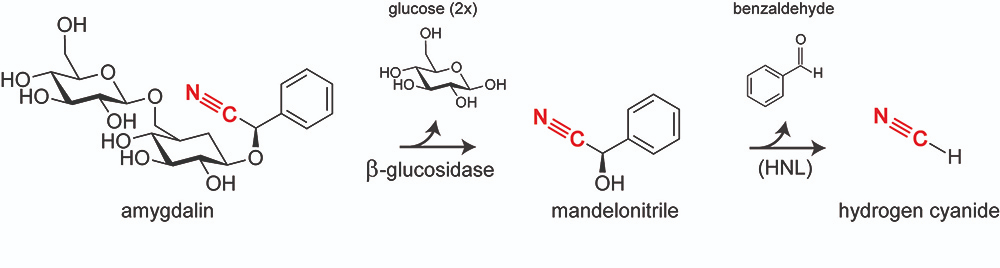
Studies in the genus Prunus have found that amygdalin is stored in the bulk tissue of the seed’s cotyledons (the parenchyma), while a separate set of cells close to the veins contain a pair of enzymes (β-glucosidases) that can trigger the release of cyanide (10). When the seed is crushed, those enzymes come into contact with amygdalin and convert it first into prunasin and then into mandelonitrile, which is further broken into HCN and benzaldehyde. Benzaldehyde is slightly bitter but smells delicious––like maraschino cherries or marzipan or almond extract––so of course we want to use it. Some traditional stone fruit recipes even call for including a pit or two for flavor. While benzaldehyde is not itself toxic, its presence in Prunus always indicates HCN, so most commercial benzaldehyde available today is isolated in controlled settings. Food chemists can start the process with cassia oil harvested from a species of cinnamon, and bottles of almond extract often list it as the main ingredient.
The presence or absence of amygdalin in seeds is what separates toxic “bitter” almonds from edible sweet ones. Humans must have had an easy time domesticating almonds because sweetness is due to a single genetic difference that disables the production of amygdalin by halting the chemical pathway that synthesizes it (11, 12). Wild almonds already had other desirable features, such as large tasty seeds, so once the rare trees with non-toxic seeds could be propagated, humans had a ready-made nutritious and productive crop.
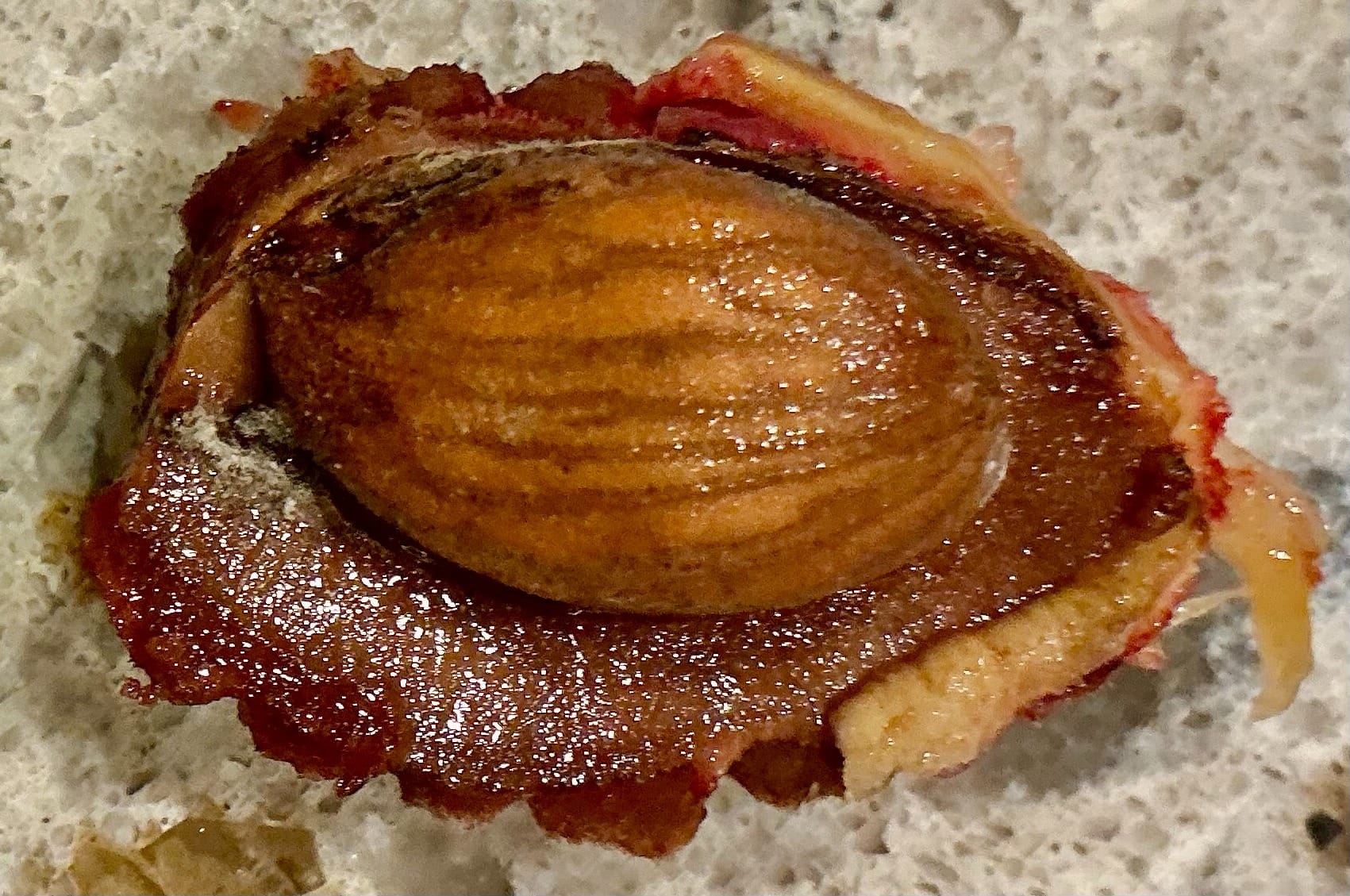
It is possible to buy the seeds of other stone fruits, especially apricot seeds, in large attractive packaging showing hands or bowls full of seeds. It would be much too easy to mistake these seeds for sweet almonds, but that could be fatal. Because the other stone fruits were domesticated for their flesh, not their seeds, those seeds retain amygdalin, just like bitter almonds. The apricot seed packages generally do warn consumers to limit themselves to three seeds per day, and the seeds should be bitter enough to raise suspicion. Still, it would be irresponsible not to warn our readers. Nobody wants to read the headline “Trail Mix Turns Tragic.”
Botany Lab of the Month:
Mmmmmm….peach-mint jam
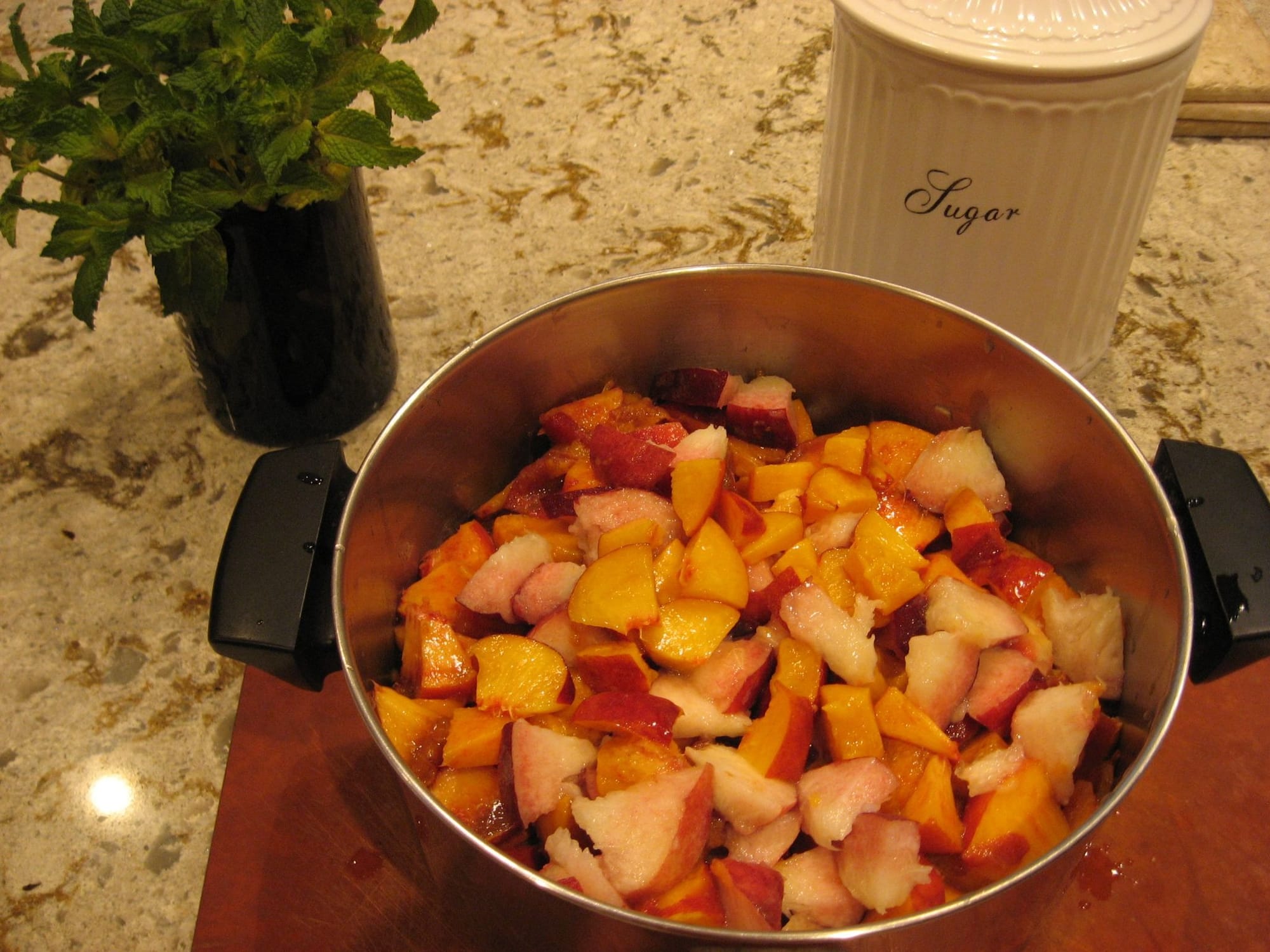
Peach season has a rhythm, marked by the staggered rise and fall of short-lived varieties tossing their particular set of colors, flavors and aromas into the mix. Clingstones give way to freestones, miniatures yield to monsters, and a parade of white and yellow varieties debut throughout the summer.
Single varieties can be excellent, but the best peach jam draws on the diversity of colors and flavors that collide at the height of the season. Candy-sweet fruits complement tarter ones, and an array of creamy vanilla butter rose almond notes round out the flavor. Most peach jam recipes call for a lot of sugar and a splash of lemon juice to counter the sweet; but we are not making lemon marmalade right now, we are making peach jam. Ideally, your fruit will be able to carry much of the sugar-acid balance on its own. In peach producing states, you are likely to find the widest array of peach varieties at farmers markets and roadside stands, but even supermarkets usually carry at least one white and one yellow peach, and if you let them ripen for a couple of days, they can be excellent.
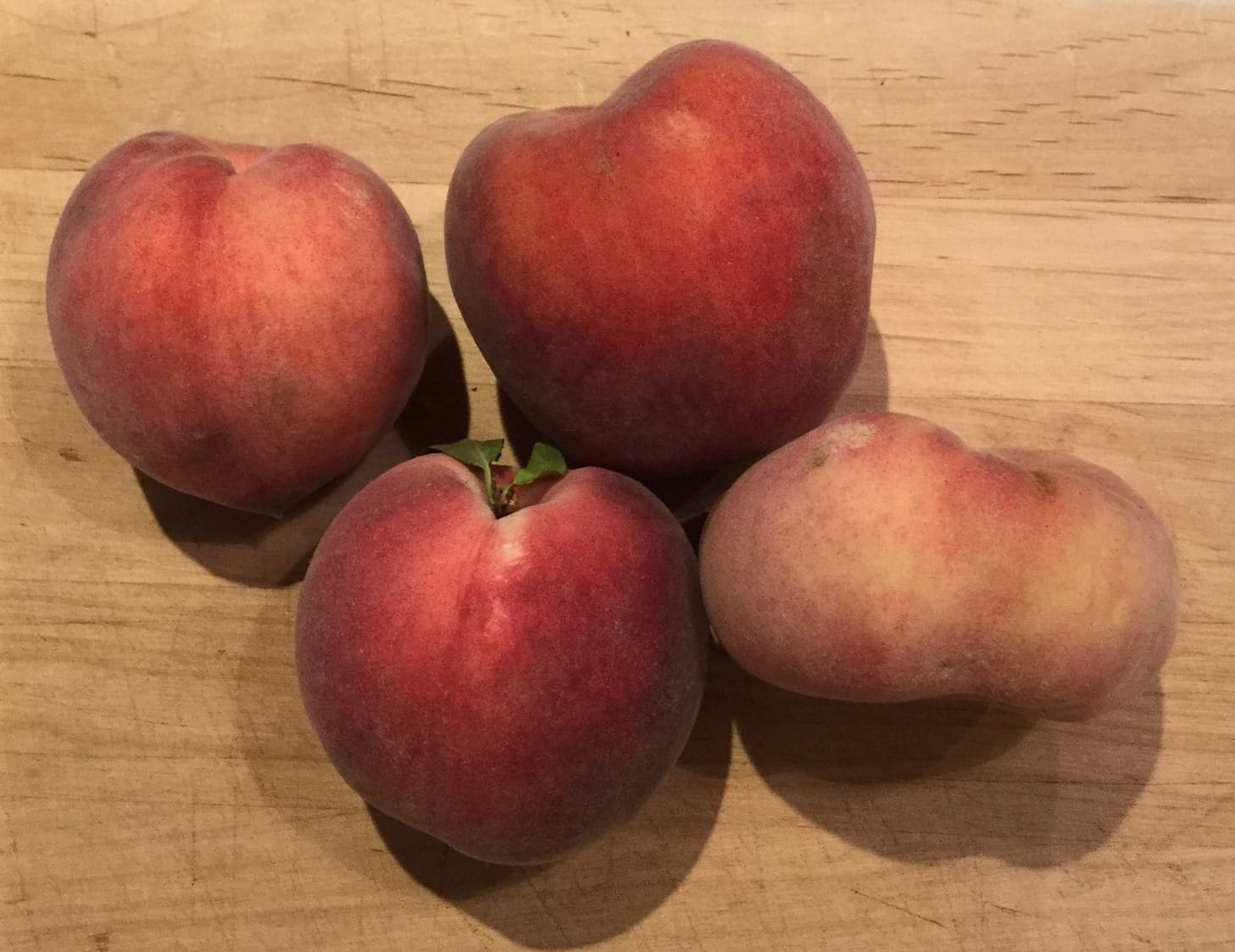
Panoply of peaches
For all their organoleptic complexity, peaches turn out to be fairly simple genetically. They have very little DNA – one of the smallest genomes of all flowering plants – organized into only 8 pairs of chromosomes that carry a smallish number of genes (13). Many of the characteristics we value are under very simple genetic control and are what we call Mendelian traits: they are clearly discrete (white or yellow flesh, flat or round fruit, etc.) and controlled by a single gene whose variants (alleles) are completely dominant or recessive (see examples in (14)). Such straightforward patterns of inheritance are easy to observe without understanding a thing about DNA – Mendel documented them in peas in the late 19th century – and they have been well known to peach breeders for a very long time. Ever since the peach genome was sequenced, however, a wave of research has identified the genetic mechanisms behind key traits and the genetic markers that can be used in meticulously precise breeding programs (15).
Does color predict flavor?
The binary categories most obvious to peach eaters are yellow or white flesh, sweet-tart or sweet-sweet flavor, free or clinging pit, and round or flat (doughnut) shape. These four traits are determined by genes on four different chromosomes (14) so they occur independently, and in theory breeders can select for any combination of them. In genetic terms, we say that they are unlinked and follow Mendel’s Law of Independent Assortment. In practice, however, breeders have favored certain combinations, thus white varieties tend to be super sweet (“sub-acid”) while yellow varieties usually balance sweet with tart. Yellow varieties are vastly more common than white ones in the U.S., perhaps because of tradition and perhaps because white peaches turn brown and show bruises, making them less suitable than yellow peaches for shipping or canning. Flat peaches are most often bred to be sweet and white, but tart and yellow varieties exist.
What about nectarines?
Because all peaches are fuzzy, it’s easy to overlook another binary trait: pubescence, or whether the fruit skin is fuzzy or smooth (glabrous). If a fruit doesn’t have any fuzz, then we call it a nectarine. Astonishingly, nectarines and peaches are just varieties of the same species, and only a single gene with two alternative alleles separates them. But it’s not that peaches have a gene for fuzz and nectarines don’t. Both varieties could make fuzz (specialized epidermal cells called trichomes). Rather, another gene directs the skin to express the fuzz gene or not, and the nectarine version of this so-called transcription factor is broken (16, 17). All nectarines appear to be descended from a single mutant peach that arose in Europe at least 500 years ago.
Flesh and stone
Flesh texture is yet another binary trait. The peach varieties that we eat fresh usually have what geneticists call “melting flesh” and are very soft when fully ripe. You’ve probably had the joy of biting into a peach and slurping, head tilted slightly back, to keep the juice from running down your chin or forearm. Other peaches, including the popular Elberta variety, are tender but still firm and nonmelting when ripe because they have lost an ancestral gene that causes flesh to soften. Nonmelting peaches ship well (hence the success of Elberta) and keep their shape when canned. (Note that an unpleasant dry or mealy texture is its own phenomenon that comes from refrigeration at the wrong time.)
Unlike all the other traits described above, the melting flesh and stone adhesion traits do not behave independently of each other. Nonmelting peaches never have free stones, and breeders have been unable to produce this particular combination. That’s because the freestone trait arose when the melting flesh gene was duplicated, resulting in two copies extremely close together on the chromosome. Over time, the second copy accumulated a few mutations that changed its function slightly, and the freestone trait was born (18). But this new gene also kept its old flesh melting powers, making it impossible for a freestone fruit to stay firm. Other loci control the rate of melting (19) and how tightly the pit clings to the flesh (18).
If you eat a lot of peaches and nectarines, then over the course of the summer you just might see all combinations of fuzz, color, tartness, shape, texture, and pit adhesion. Since each of these traits is controlled separately, except that no freestone fruits can have firm flesh, there are 48 different possible configurations of just these basic characteristics.
Peach flavor and the surprisingly satisfying peach-mint combination
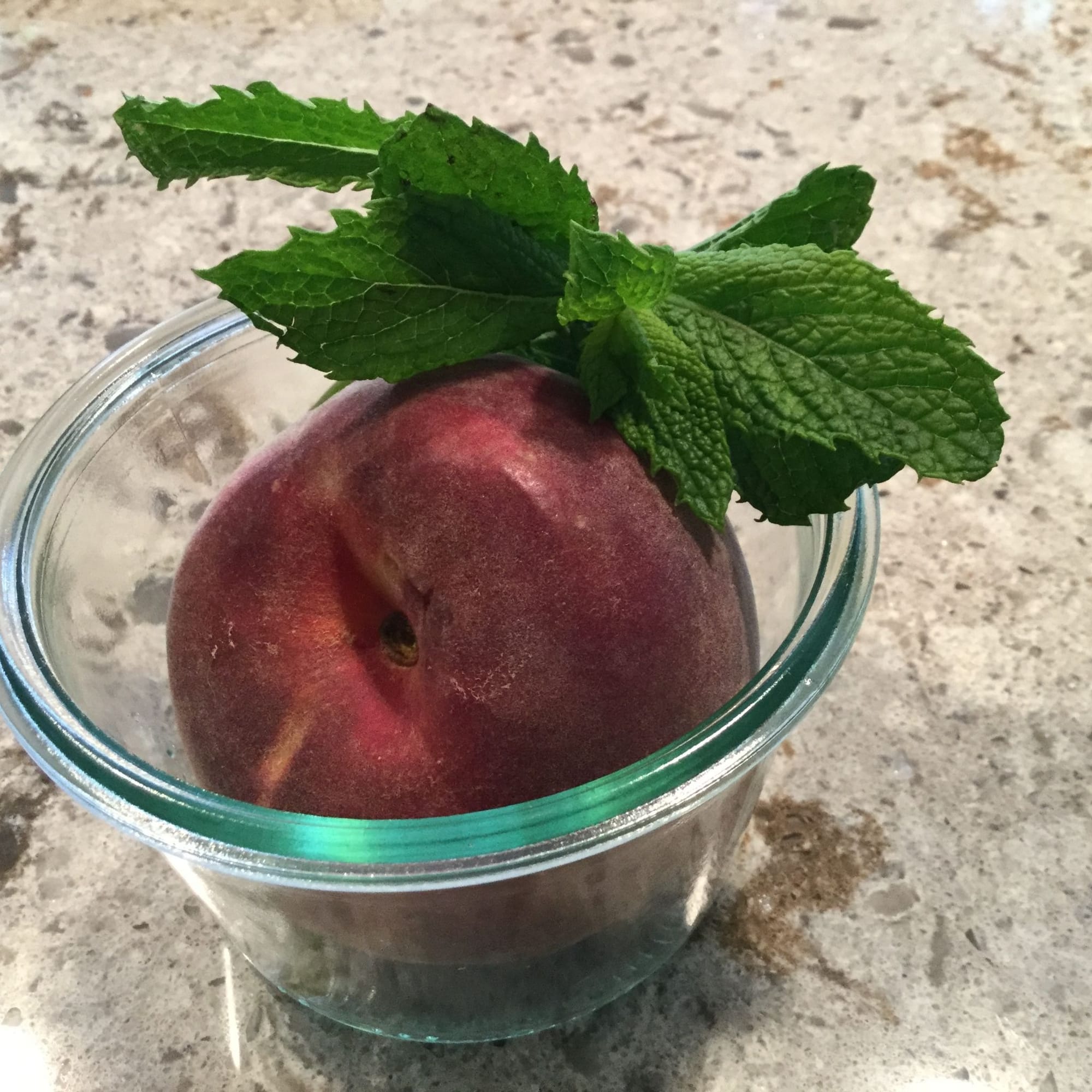
The exquisite charms of a good peach emerge only after the broad initial perceptions of mouthfeel and sugar-acid balance have faded. One study detected over 80 different volatile organic compounds emanating from the skin and flesh of assorted ripe peaches and nectarines. Because machines can smell things that humans cannot, a panel of peach tasters recorded their sensory perceptions of the same 43 varieties and the data were compared. Among the measured compounds that were most strongly correlated with intense ripe fruit aroma were two kinds of gamma-lactone (20). Gamma-lactones impart creamy, coconut, vanilla, and toasted nut flavors – a combination familiar to wine and whiskey drinkers. Wines and distilled alcohol aged in oak barrels become infused with these compounds, which are often called oak or whiskey lactones for that reason.
Given this flavor profile, it is not an obvious move to pair peaches with spearmint. As Jeanne has explained, spearmint’s flavor is dominated by an isomer of carvone, which tastes cool and green, not rich and warm. But peach-mint is not unprecedented. Classically, the gamma-lactones in bourbon are contrasted with spearmint in mint juleps. Chocolate carries notes of peach fruit and toasted nuts, and it is often flavored with mint.
Peaches are much more subtle tasting than bourbon, and your aim is to brighten them up, not overwhelm them with mint. This peach-mint jam recipe lets you adjust the mint flavor to your taste by steeping a bundle of fresh spearmint in the hot cooked peaches only as long as you wish. Because this recipe contains very little sugar, it is a good idea to refrigerate the unopened jars of jam, even if you process and seal them in sterile canning jars. If you can’t make room in your own fridge, share your jam with friends or, better yet, with those neighbors you have been meaning to meet. After all, the integrity of precious and fragile things, like peaches and democracy, are best preserved by an eternally vigilant community of diverse and peaceful citizens.
Peach-mint jam recipe
- 10 to 15 peaches, ideally from several varieties with different colors and flavors (having extra lets you choose the best balance)
- 1 bunch of spearmint (not peppermint), about a dozen stems, washed. If you have kitchen string, tie the stems into a bundle, which makes them easier to remove.
- 1C sugar (or less if your peaches are very sweet)
- 5 or 6 half-pint sized canning jars and lids, sterilized
- Wash the peaches and appreciate their shapes, colors, smells, etc. You may use nectarines as well, since they are just fuzzless peaches.
- Chop the peaches into bite-sized chunks, keeping the skin on because it adds color and flavor. A small serrated knife works best on resistant skin over soft flesh. If you are using freestone peaches, cut out the rough flesh that surrounds the pit. Taste a bit of each peach and sort out any flavorless or mealy fruits. Especially at the end of the season when peach flavor and texture is unreliable, you can dehydrate subpar peaches to use in winter oatmeal. Drying concentrates the flavor and repairs the texture.
- Put the peaches into a saucepan about twice the volume of the peaches. Add the sugar and let it sit for 10 minutes or so to dissolve and draw out some of the peach juice.
- Start the peaches on medium heat and stir and mash them with a spoon as they soften. If there is not enough liquid to keep peaches from sticking, reduce the heat until more liquid is released. Eventually the mixture will come to a high simmer, and you want to keep it there.
- Cook the peach mixture, breaking up the bits with a spoon, until it thickens to your ideal consistency. This can take an hour or more and will depend on how wide your pot is and how juicy your peaches are. Low sugar jams with no added pectin will always be on the runny side.
- Turn off the heat and submerge the bunch of mint, pressing it with the spoon. If you have a cocktail muddler you can use that, but keep the leaves intact. If you do not turn off the heat, you will boil off the very mint volatiles you want to keep.
- Stir and taste the jam every 5 minutes or so until it has enough mint flavor for your taste. The mint flavor enters very quickly, so check often.
- Remove the bundle of mint and scrape as much jam from the leaves as possible without getting bits of mint leaf in the jam.
- Ladle the jam into the sterile jars and process 10 minutes in a water bath to seal, according to standard canning practices. If you plan to eat the jam right away, you can skip the sealing part. Just be sure to tell your friends and neighbors to refrigerate and eat theirs quickly too.
Gleanings and Baker’s Dozen
Gleanings
- Marchant, Jo. What The Odyssey reveals about ancient science — from botany to psychiatry. Nature news.
- Henry, D. (2026) Arthur E. Watkins: The Wheat Collector Who Saved Diversity for the Future. A lovely contribution to the Seed Heroes series by Crop Trust.
- From Knowable magazine:
- Podcasts of interest:
- The Botanical Society of America has a podcast.
- Climate scientist Kim Nicholas has a new podcast launching August 17th: Climate Actually.
- The Nature podcast covered the recent elucidation of quinine biosynthesis, how plants make an important malaria drug (research article; research briefing).
- Books of interest:
- Togetherness by Rowan Hooper
- Wild Nettles–From Foraging to Fibre by Brigitte Kaltenbacher. Young nettles are a great wild edible, and Jeanne has been long intrigued about harvesting old nettle stems for fiber. The fiber projects suggested are feasible!
- Sacred Plants of the Americas by Jill Pflugheber & Steven F. White. Crazy microscopy! Nautilus has a good review of the book.
- Danforth, B. N., et al. (2026). The Bee Genera of North and Central America (Hymenoptera: Apoidea): Second Edition. Smithsonian Scholarly Press. Available as a free download!
Baker’s Dozen
- Groh, J.S., et al. (2026). Balanced polymorphism in a floral transcription factor underlies the ancient rhythm of daily sex alternation in avocado. PNAS 123: e2606876123. Avocado flowers are hermaphroditic, bearing both anthers (release pollen; “male” function) and pistils (receive pollen; “female” function). The anthers and pistils, however, mature at different rates, meaning that at any given time a flower is functionally either solely male or female. Each avocado plant bears two sets of flowers: one with early maturing anthers, and one with early maturing stigmas. One set of flowers opens in the morning, the other in the afternoon. This strategy prohibits self-pollination, which is detrimental in avocado. Avocado plants come in two types (called Type A and Type B), which differ in which set of flowers opens in the morning, and which in the afternoon. Type A flowers receive pollen in the morning (are functionally female) and release pollen (are functionally male) in the afternoon. Type B flowers do the opposite, so all flowers are cross-pollinated. The authors discovered the relatively simple genetic mechanism by which this seasonal and daily flowering rhythm is achieved. Further, they show that all 26 species of avocados do this, placing the age of the innovation at around 42 million years. The authors do an excellent job of explaining this sexual system and its genetic basis and contextualizing it relative to other similar flowering systems. Jules Bernstein at UC-Riverside explains the relevance of the discovery for avocado breeding. .
- Zhang, X.-J., et al. (2026). Identification of carnivory in the flowering plant Saxifraga via multidisciplinary evidence. Nature Communications 17: 7557. Darwin predicted in 1875 that the genus Saxifraga could harbor carnivorous species, and he was recently proven correct. Scientific American covers the discovery. This is reminiscent of his prediction of a moth with a proboscis capable of plumbing the exceedingly long spur of a Malagasy orchid.
- Recent papers speaking to climate resilience of crops and various -omics:
- Pratap, A., et al. (2026). Climate change and crop resilience: harnessing metabolomics for predicting stress tolerance. New Phytologist 251: 975-995. This review is a good current touch point for both climate change impact on crops and metabolomics.
- Criado, M., et al. (2026) Genomic forecasting for climate-resilient fruit trees. New Phytologist 251: 1640-1653.
- Van Der Straeten, D., et al. (2026). Genetic technologies to enhance crop nutritional value under climate change. Nature 654: 877-891.
- Wang, Y., et al. (2026). Anthocyanin biosynthesis in blueberry is regulated by light and abscisic acid signaling via a VcABF2-miR156-VcSPL9 feedback loop. New Phytologist 251: 1967-1987. A good explanation of how blueberries get blue.
- A few looks at small-seeded and quick-cooking grains indigenous to Africa in Plants People Planet
- Muawiyya, I., et al. (2026). Fonio (Digitaria exilis and Digitaria iburua) in Nigeria: Regional cultivation patterns, landrace diversity, and farmer knowledge for conserving a climate-resilient indigenous cereal. Plants People Planet online early. Fonio is closely related to millets.
- Numan, M., et al. (2026). Plant responses to iron nutrition with emphasis on the underutilized crop tef (Eragrostis tef): A review. Plants People Planet online early.
- Plants People Planet has a special issue on grapes. We included the introduction last month, but the whole thing is interesting. Colin Khoury, one of the participating authors, wrote about the special issue for the NYBG.
- Interesting papers on the Solanaceae:
- González-Ramírez, I. S., et al. (2026). Late Cretaceous origins for major nightshade lineages from total-evidence timetree analysis. Annals of Botany 137: 2025-2040. The nightshades are older than previously thought, including the large and important “berry clade” that contains our favorite foods from the family. From the Special Issue: Role of Fossils in Reconstructing Plant Evolution.
- Elejalde-Baena, E., et al. (2026). Beyond dry and fleshy: Hidden developmental and anatomical transitions in Solanaceae fruit evolution. American J. of Botany online early.
- Gao, Y., et al. (2026) Biosynthetic mechanism and ecological function of chirality in Solanum steroidal alkaloids. Nature Communications.
- Li, A., et al. (2026). Global and Regional Patterns of Diversity and Endemism in the Megadiverse Genus Solanum (Solanaceae). Systematic Botany 51: 120-134.
- Palombo, N. E., et al. (2026) Capsicum pubescens Ruiz & Pav.: evolutionary history, domestication, genetic resources and future opportunities for an overlooked Andean crop. Genetic Resources and Crop Evolution 73: 246.
- Meeprom, N., et al. (2026). A global phylogenetic framework for Diospyros L. (Ebenaceae, Ericales): enhanced taxon and sample coverage through NGS, Sanger sequencing and herbariomics. Annals of Botany 138: 442-461. The genus Diospyros includes persimmons, grown for their fruit, and ebonies, grown for their dense, dark wood.
- Brault, C., et. al. (2026). Thirty years of breeding for Fusarium head blight resistance in wheat: A success story. Crop Science 66: e70319.
- Recent work on interesting edibles:
- Gharaghani, A., et al. (2026). Sour orange (Citrus × aurantium L.): A unique historical-poetical fruit and a potentially multipurpose citrus crop in Iran. Crop Science 66: e70295.
- Sun, H., et al. (2026). Two telomere-to-telomere Nelumbo genome assemblies reveal domestication history and empower precision breeding. Nature Communications.
- Whitlam, J., et al. (2026). Developmental plasticity under human management shaped cereal evolution prior to domestication in the Early Holocene southern Levant. PNAS 123: e2535274123.
- Van Zonneveld, M., et al. (2026). Reversing vegetable biodiversity loss to diversify diets. PNAS 123: e2532063123. See associated coverage by Crop Trust.
- Oldie but Goodie and Timely. Nabhan, Gary Paul (2009). Where Our Food Comes From: Retracing Nikolay Vavilov's Quest to End Famine. Island Press. Nothing good comes of governments dictating scientific truth.
References
1. Y. Xiang, C.-H. Huang, Y. Hu, J. Wen, S. Li, T. Yi, H. Chen, J. Xiang, H. Ma, Evolution of Rosaceae Fruit Types Based on Nuclear Phylogeny in the Context of Geological Times and Genome Duplication. Mol. Biol. Evol. 34, 262–281 (2017).
2. F. Yang, J. Luo, W. Guo, Y. Zhang, Y. Liu, Z. Yu, Y. Sun, M. Li, F. Ma, T. Zhao, Origin and early divergence of tandem duplicated sorbitol transporter genes in Rosaceae: insights from evolutionary analysis of the SOT gene family in angiosperms. Plant J. 117, 856–872 (2024).
3. I. Pleyerová, J. Hamet, H. Konrádová, H. Lipavská, Versatile roles of sorbitol in higher plants: luxury resource, effective defender or something else? Planta 256, 13 (2022).
4. M. Génard, M. Souty, Modeling the peach sugar contents in relation to fruit growth. J. Am. Soc. Hortic. Sci. 121, 1122–1131 (1996).
5. R. Petruccelli, A. Bonetti, L. Ciaccheri, F. Ieri, T. Ganino, C. Faraloni, Evaluation of the Fruit Quality and Phytochemical Compounds in Peach and Nectarine Cultivars. Plants 12, 1618 (2023).
6. R. P. Walker, A. Battistelli, C. Bonghi, M. F. Drincovich, R. Falchi, M. V. Lara, S. Moscatello, G. Vizzotto, F. Famiani, Non-structural Carbohydrate Metabolism in the Flesh of Stone Fruits of the Genus Prunus (Rosaceae) – A Review. Front. Plant Sci. 11, 549921 (2020).
7. C. Gracia, A. Calle, K. Gasic, E. Arias, A. Wünsch, Genetic and QTL analyses of sugar and acid content in sweet cherry ( Prunus avium L. ). Hortic. Res. 12, uhae310 (2025).
8. J. S. Hyams, Sorbitol Intolerance: An Unappreciated Cause of Functional Gastrointestinal Complaints. Gastroenterology 84, 30–33 (1983).
9. F. Yang, J. Luo, S. Han, Y. Zhang, Z. Liu, J. Lan, Y. Sun, T. Zhao, Evolutionary dynamics and functional characterization of proximal duplicated sorbitol-6-phosphate dehydrogenase genes in Rosaceae. Front. Plant Sci. 15, 1480519 (2024).
10. J. E. Poulton, C. P. Li, Tissue Level Compartmentation of (R)-Amygdalin and Amygdalin Hydrolase Prevents Large-Scale Cyanogenesis in Undamaged Prunus Seeds. Plant Physiol. 104, 29–35 (1994).
11. R. Sánchez-Pérez, S. Pavan, R. Mazzeo, C. Moldovan, R. Aiese Cigliano, J. Del Cueto, F. Ricciardi, C. Lotti, L. Ricciardi, F. Dicenta, R. L. López-Marqués, B. L. Møller, Mutation of a bHLH transcription factor allowed almond domestication. Science 364, 1095–1098 (2019).
12. R. Sánchez-Pérez, “Origin and Domestication of Wild Bitter Almond. Recent Advancements on Almond Bitterness” in The Almond Tree Genome, R. Sánchez-Pérez, A. Fernandez I Marti, P. Martinez-Gomez, Eds. (Springer International Publishing, Cham, 2023; https://link.springer.com/10.1007/978-3-030-30302-0_2), pp. 15–24.
13. The International Peach Genome Initiative, I. Verde, A. G. Abbott, S. Scalabrin, S. Jung, S. Shu, F. Marroni, T. Zhebentyayeva, M. T. Dettori, J. Grimwood, F. Cattonaro, A. Zuccolo, L. Rossini, J. Jenkins, E. Vendramin, L. A. Meisel, V. Decroocq, B. Sosinski, S. Prochnik, T. Mitros, A. Policriti, G. Cipriani, L. Dondini, S. Ficklin, D. M. Goodstein, P. Xuan, C. D. Fabbro, V. Aramini, D. Copetti, S. Gonzalez, D. S. Horner, R. Falchi, S. Lucas, E. Mica, J. Maldonado, B. Lazzari, D. Bielenberg, R. Pirona, M. Miculan, A. Barakat, R. Testolin, A. Stella, S. Tartarini, P. Tonutti, P. Arús, A. Orellana, C. Wells, D. Main, G. Vizzotto, H. Silva, F. Salamini, J. Schmutz, M. Morgante, D. S. Rokhsar, The high-quality draft genome of peach (Prunus persica) identifies unique patterns of genetic diversity, domestication and genome evolution. Nat. Genet. 45, 487–494 (2013).
14. P. Lambert, J. A. Campoy, I. Pacheco, J.-B. Mauroux, C. Da Silva Linge, D. Micheletti, D. Bassi, L. Rossini, E. Dirlewanger, T. Pascal, M. Troggio, M. J. Aranzana, A. Patocchi, P. Arús, Identifying SNP markers tightly associated with six major genes in peach [Prunus persica (L.) Batsch] using a high-density SNP array with an objective of marker-assisted selection (MAS). Tree Genet. Genomes 12, 121 (2016).
15. I. Verde, J. Jenkins, L. Dondini, S. Micali, G. Pagliarani, E. Vendramin, R. Paris, V. Aramini, L. Gazza, L. Rossini, D. Bassi, M. Troggio, S. Shu, J. Grimwood, S. Tartarini, M. T. Dettori, J. Schmutz, The Peach v2.0 release: high-resolution linkage mapping and deep resequencing improve chromosome-scale assembly and contiguity. BMC Genomics 18, 225 (2017).
16. Q. Yang, X. Yang, L. Wang, B. Zheng, Y. Cai, C. O. Ogutu, L. Zhao, Q. Peng, L. Liao, Y. Zhao, H. Zhou, Y. Han, Two R2R3‐MYB genes cooperatively control trichome development and cuticular wax biosynthesis in Prunus persica. New Phytol. 234, 179–196 (2022).
17. E. Vendramin, G. Pea, L. Dondini, I. Pacheco, M. T. Dettori, L. Gazza, S. Scalabrin, F. Strozzi, S. Tartarini, D. Bassi, I. Verde, L. Rossini, A Unique Mutation in a MYB Gene Cosegregates with the Nectarine Phenotype in Peach. PLoS ONE 9, e90574 (2014).
18. C. Gu, L. Wang, W. Wang, H. Zhou, B. Ma, H. Zheng, T. Fang, C. Ogutu, S. Vimolmangkang, Y. Han, Copy number variation of a gene cluster encoding endopolygalacturonase mediates flesh texture and stone adhesion in peach. J. Exp. Bot. 67, 1993–2005 (2016).
19. O. Serra, J. Giné-Bordonaba, I. Eduardo, J. Bonany, G. Echeverria, C. Larrigaudière, P. Arús, Genetic analysis of the slow-melting flesh character in peach. Tree Genet. Genomes 13, 77 (2017).
20. T. Bianchi, Y. Weesepoel, A. Koot, I. Iglesias, I. Eduardo, M. Gratacós-Cubarsí, L. Guerrero, M. Hortós, S. Van Ruth, Investigation of the aroma of commercial peach (Prunus persica L. Batsch) types by Proton Transfer Reaction–Mass Spectrometry (PTR-MS) and sensory analysis. Food Res. Int. 99, 133–146 (2017).