Gather and Sow: September 2026
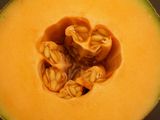
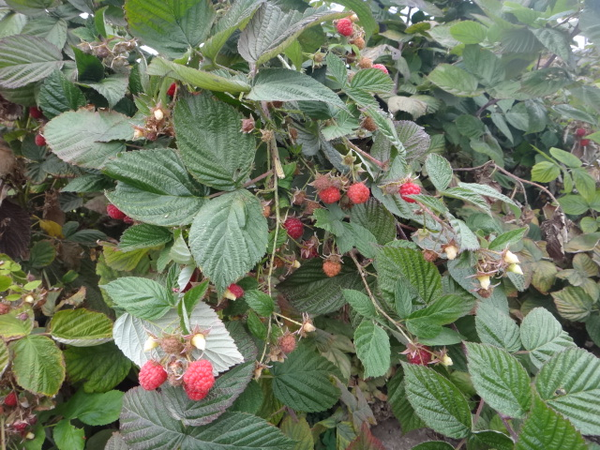
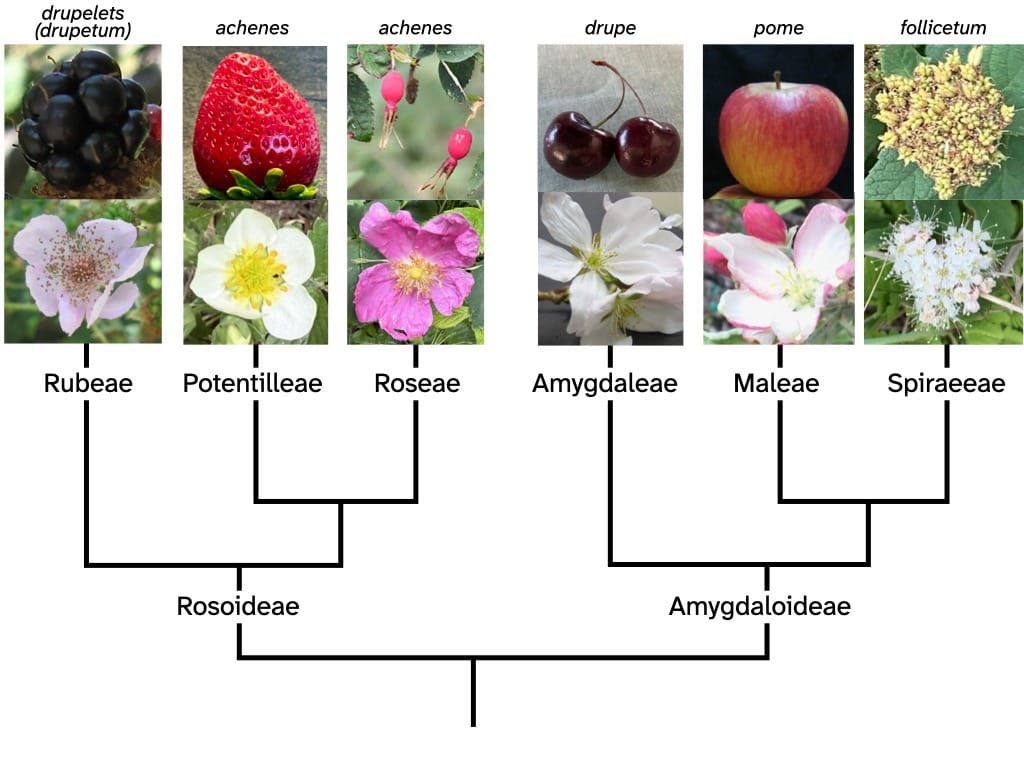
Apples, those iconic harbingers of autumn, are the perfect subject for the conclusion of our summertime interrogation of the rose family (the Rosaceae). If you read our earlier newsletters featuring strawberries, brambles, and stone fruits, then our image (below) of the phylogenetic relationships among important subgroups in the Rosaceae will be familiar to you. Apples are the flagship genus (Malus) of the Maleae tribe (pronounced “mal-ee-ay”). The Maleae also includes pears, quinces, serviceberries, loquats, rowan, medlar, and hawthorns. We will obviously have to return to the Maleae in future newsletters to give all those fabulous fruits their due consideration (In the meantime, revisit Katherine’s beautiful essay “Pear grit and the art of aging”.). The fruit structure of all of them is called a pome. We get poetical about pomes below in Botany Lab of the Month, where we cut up apples. Before that, we talk about apple evolution in Food for Thought. We conclude, as always, with our roundup of recent media and journal articles in Gleanings and Baker’s Dozen.
TLDR Video: All you ever wanted to know about apples in 5 minutes.
Okay, this probably isn’t everything you want to know or even everything in this newsletter, but it is an engaging short video that Katherine made.
Food for Thought
Apple Evolution
Bears in the Garden of Eden
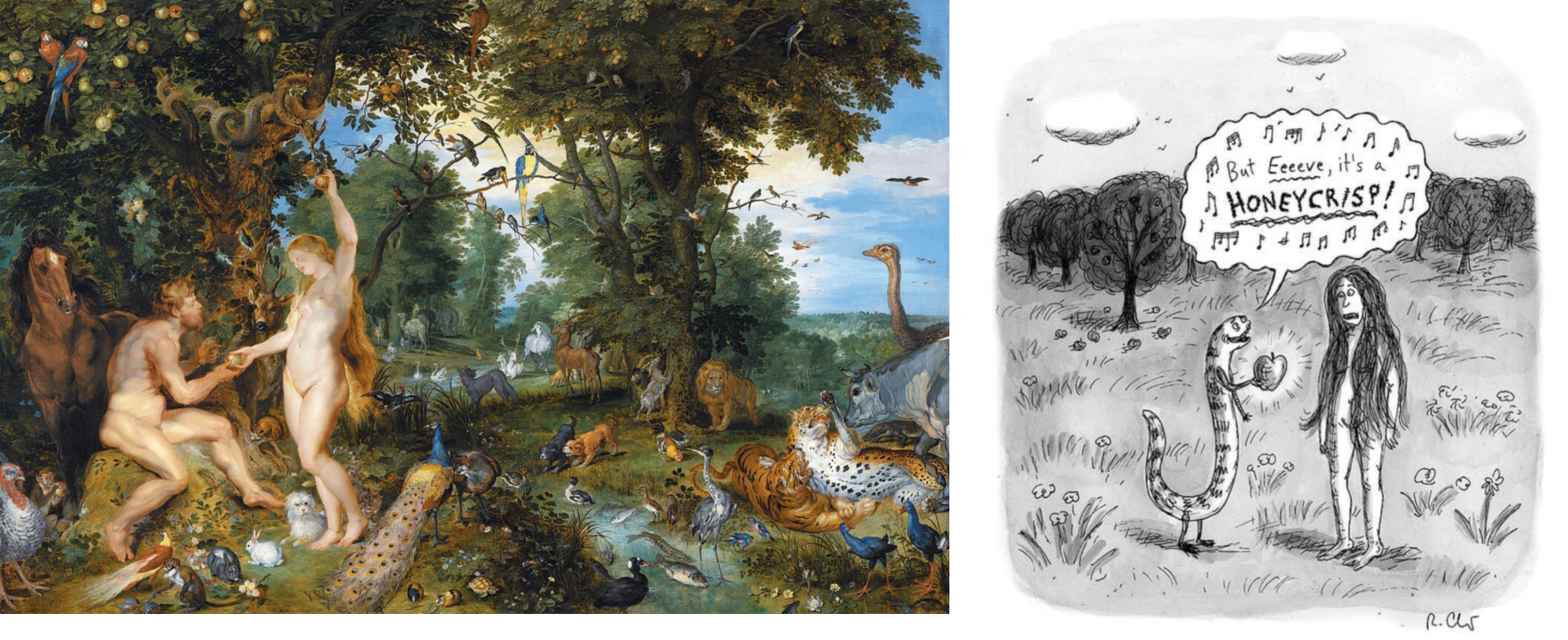
The Book of Genesis does not identify the forbidden fruit of knowledge that tempted Eve. It almost certainly was not an apple, but it has often been depicted as such in Western art and literature (1–4). In the painting “The Garden of Eden with the Fall of Man” by Peter Paul Rubens and Jan Brueghel the Elder (1615), Eve hands an apple to Adam while picking another for herself, while an entire menagerie of animals looks on. Ironically, the painting does not include the one animal that should be present in a historical representation of apples, animals, and people: a bear.
Well before humans were ever tempted by its fruit, apple evolution and diversification were shaped by the sequential iteration of three processes: hybridization, which increased fruit size, then selection of larger fruits by large animals, and seed dispersal, also accomplished most effectively by animals (5, 6). It all started in the late Miocene (approximately 11 to 5 million years ago), when Europe and Asia looked more like the grasslands and savannas of modern sub-Saharan Africa, complete with diverse and abundant megafauna. Shrub and tree species in the Rosaceae occupied the same habitats then as they do now, growing on the sunny side of the forest-grassland boundary and as pioneering colonizers of newly open habitat. Birds and mammals efficiently dispersed seeds between suitable habitat patches. Fruits of species that were primarily bird-dispersed stayed small. Fruits of species preferred by the big animals got big (5–8). By the end of the Miocene, large-fruited versions of apples, pears, and quinces had diversified across Eurasia (5, 8, 9). Interestingly, large stone fruits in the genus Prunus also diversified in Eurasia at this time, presumably because of megafaunal selection. A few genome duplication events and interspecific hybridization within the Rosaceae during the Miocene appears to have generated the genetic foundation for the dramatic fruit form evolution (5, 10). Similar phenomena were happening in other parts of the globe, such as with the gompotheres and cacao in the Americas that we talked about in the February newsletter.
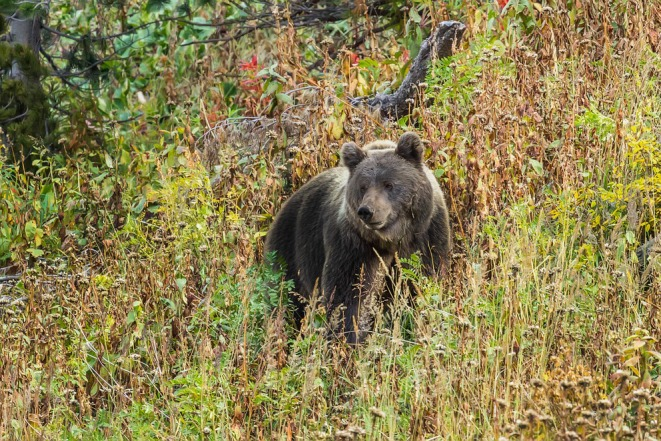
The vast majority of large mammals on the planet became extinct during the the late Pleistocene, between 50,000 and 12,000 years ago. Their extinction meant the end of long-distance seed dispersal for large-fruited pioneer species (5, 7, 8, 10, 12–21). Across the globe, the ranges of these species contracted, and their genetic diversity eroded (5). Widespread glaciation during the Pleistocene isolated populations of large-fruited rosaceous trees. The dense forests that overtook much of temperate Eurasia after the glaciers receded caused further fragmentation. The maintenance of the remnant wild populations of big-fruited Malus species was left to modern mammals, especially bears (5, 8, 17, 20, 22–35). Bears, too, preferentially nosh big apples.
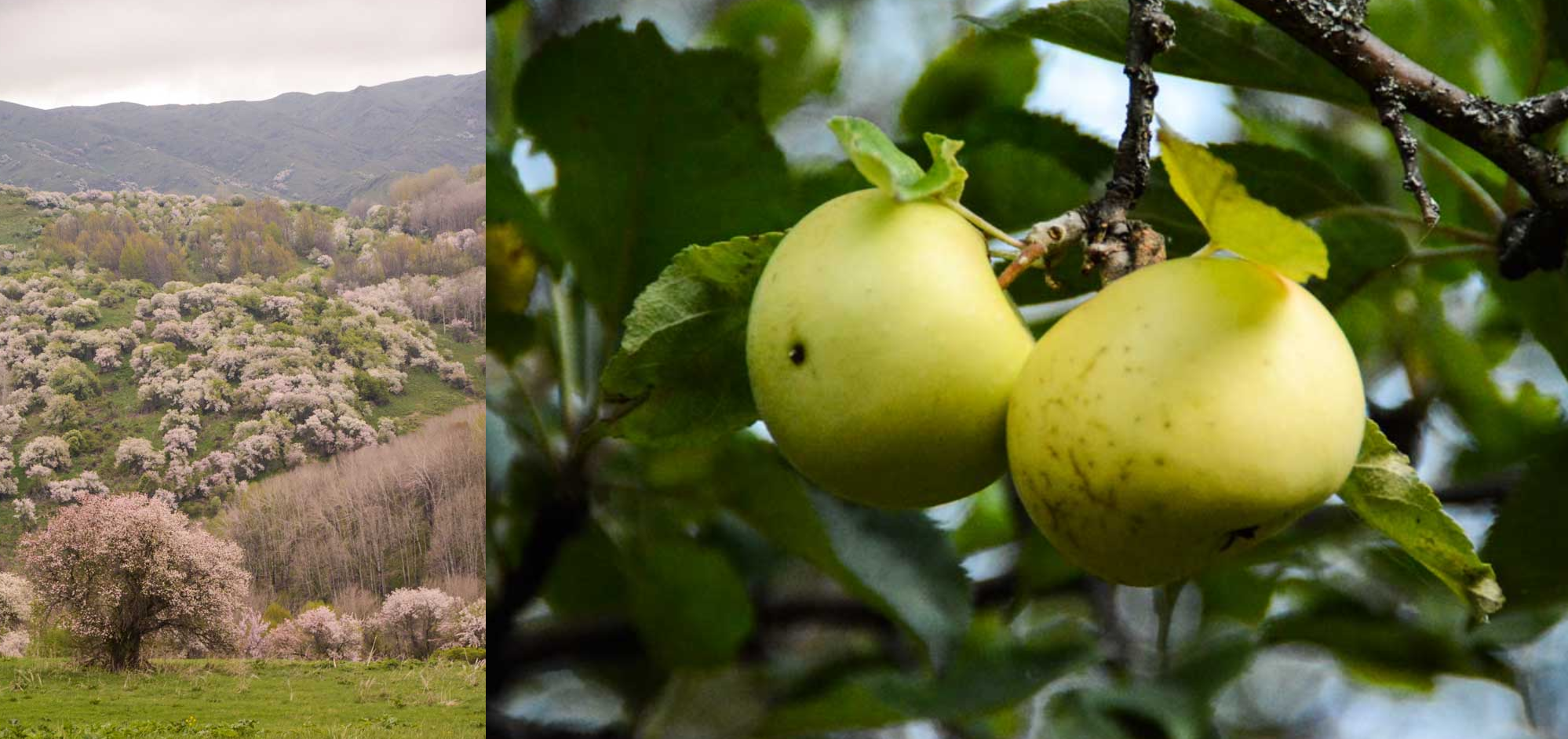
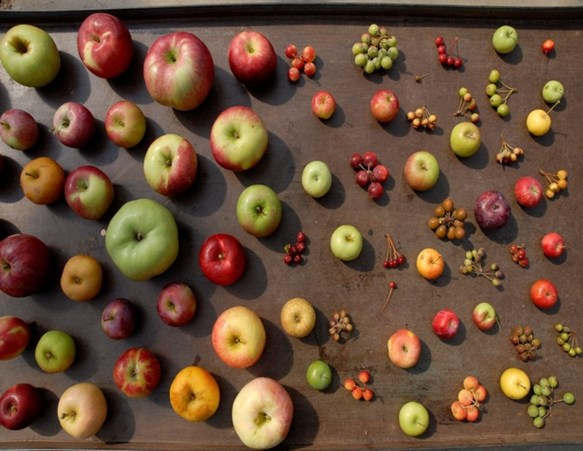
Humans never really domesticated apples. We encountered them, found ourselves pleased with the bears’ handiwork, and gradually replaced our ursine colleagues as apples’ primary dispersal agent (5, 6, 35, 36). The primary ancestor of modern cultivated apples (Malus domesticus) is Malus sieversii from the Tian Shan Mountains in Central Asia (34). Its fruits have completely respectable maximum diameters of four to eight centimeters (5, 37). Humans brought apples with them as they traveled Eurasian trade routes (5, 23, 29, 38). In doing so we reunited Malus populations that had been isolated since the Pleistocene, igniting new hybridizations. The genomes of domestic apples include contributions from other Malus species, especially the European crabapple (Malus sylvestris), Caucasus apple (M. orientalis), and several tiny-fruited (bird-dispersed) crabapples, including the Siberian crabapple (M. baccata) (5, 39, 40). “Crabapples,” incidentally, are just Malus taxa with fruit less than 5 cm in diameter (27). Cultivation began in earnest between three and four thousand years ago (5).
Scions, not seeds
Wild and cultivated apple populations exchanged fruit, seeds, and pollen across temperate Eurasia throughout the agricultural transition (and continue to do so) (31, 41–43). Because of this gene flow, cultivated apples remain wildly genetically diverse (5, 40, 44–50), their genomes comprising a rich well from which new varieties spontaneously arise.
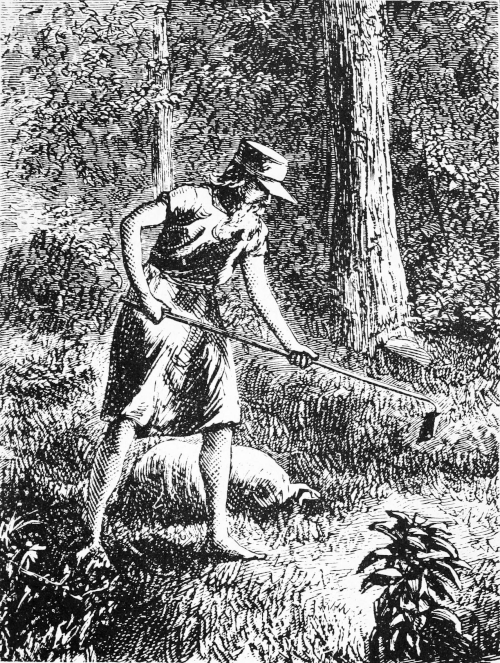
A consequence of high genetic diversity in cultivated apples is that offspring may not closely resemble their parents, at least with respect to fruit traits that people care about. If you plant a seed from an apple you bought at the market, the fruit from your new tree is more likely to resemble wild apples than the fruit that bore it (5). The problem is compounded by the inability of apple flowers (of most varieties) to self-pollinate. In order to make fruit, an apple flower must receive pollen from a different individual that is sufficiently genetically distant. If you buy an apple tree at a nursery they will ask if you also need a “donor” or “pollinizer” tree, a different variety, for pollination. However, not just any different variety will do. The donor must be compatible, genomically and otherwise (52). The genomes of apples have become complex, with diploid (two sets of chromosomes) and triploid (three sets of chromosomes) varieties available (see this explanation from apple farmer) (39, 45, 46, 53, 54). If you see an apple tree producing fruit without any obvious pollen donor neighbors, it might be one of the rare varieties capable of self pollination, or, more likely, it is within a pollinating insect’s flying range of another compatible tree (55–63).
Because fruit characteristics can vary wildly between one generation and the next, apple farmers cannot rely on seeds to build their orchards. Favored apple varieties–usually with names (64)–can only be propagated clonally by grafting cut branches (called “scions”) onto a rootstock (65, 66). Modern scientists are able to direct the apple breeding process in a more predictable fashion (67–71), but, still, any new cultivars they develop can only be clonally maintained.
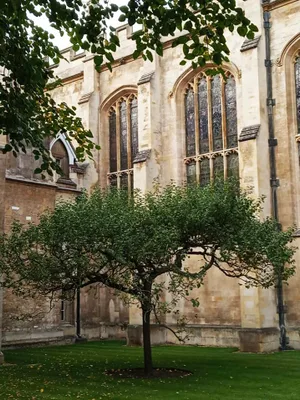
Thousands of named cultivars exist (check out the unusual ones highlighted by Atlas Obscura). The heritage orchard at the USDA’s Plant Genetic Resources Unit (PGRU) in upstate New York grows an astounding number of them. It’s one of the largest and most diverse living collections of fruit varieties in the world. They also collect and grow specimens from wild Malus species, including apples from Tian Shan. Around four dozen wild Malus species are native to the temperate regions of the Northern Hemisphere (10, 45, 73, 74). Scientists at the USDA and other similar institutions around the world hope to harness the genetic diversity of both wild and cultivated varieties to improve apples. Bringing all the apples to a central location is an unusual form of seed dispersal, but it is proving an effective strategy for developing better and hardier fruit.
Botany Lab of the Month
The ultimate everyday accessory (fruit)
The perfect handbag? No. It won’t keep the doctor away. Apples are the ultimate everyday accessory (fruit). Grab an apple, a cutting board, and a chef’s knife. We’ll use them to figure out accessory fruits, pomes, and apples. Better yet, grab two apples.
The floral backstory
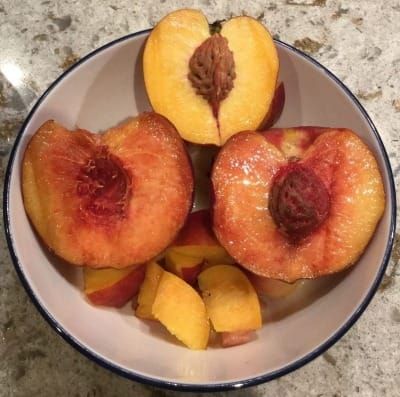
An apple is an example of a pome. A pome, in turn, is an example of an accessory fruit. Recall that a “fruit”, in a strict botanical sense, is just a mature ovary that contains seeds. The term “accessory” means that the fruit, at maturity, is inextricably bound to one or more other plant parts. A strawberry is an accessory fruit because its delicious juicy red part arises from the flower’s receptacle, not an ovary. The receptacle is the tip of the flowering stalk (peduncle) to which floral parts are attached (see image below; details are in the newsletters from June and July). Sometimes the receptacle forms a cup, called a hypanthium, usually around the ovary. This is the case for Prunus (stone fruit) and apple flowers, which you can see in the images below. Because our botanical forefathers were just awesome with words, ovaries located in a hypanthium below the other floral whorls (petals, sepals, stamens) are termed “inferior.” Strawberry ovaries are above the other floral whorls and are therefore “superior.” These terms indicate location and are not a value judgment.
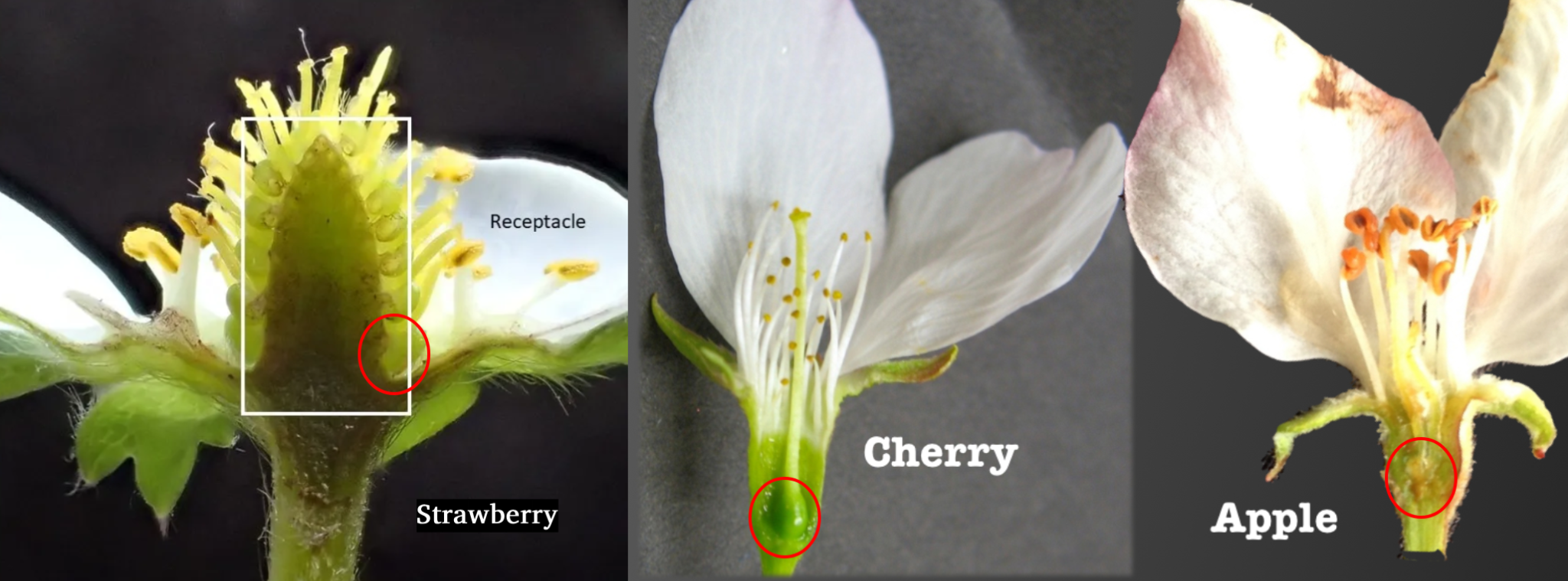
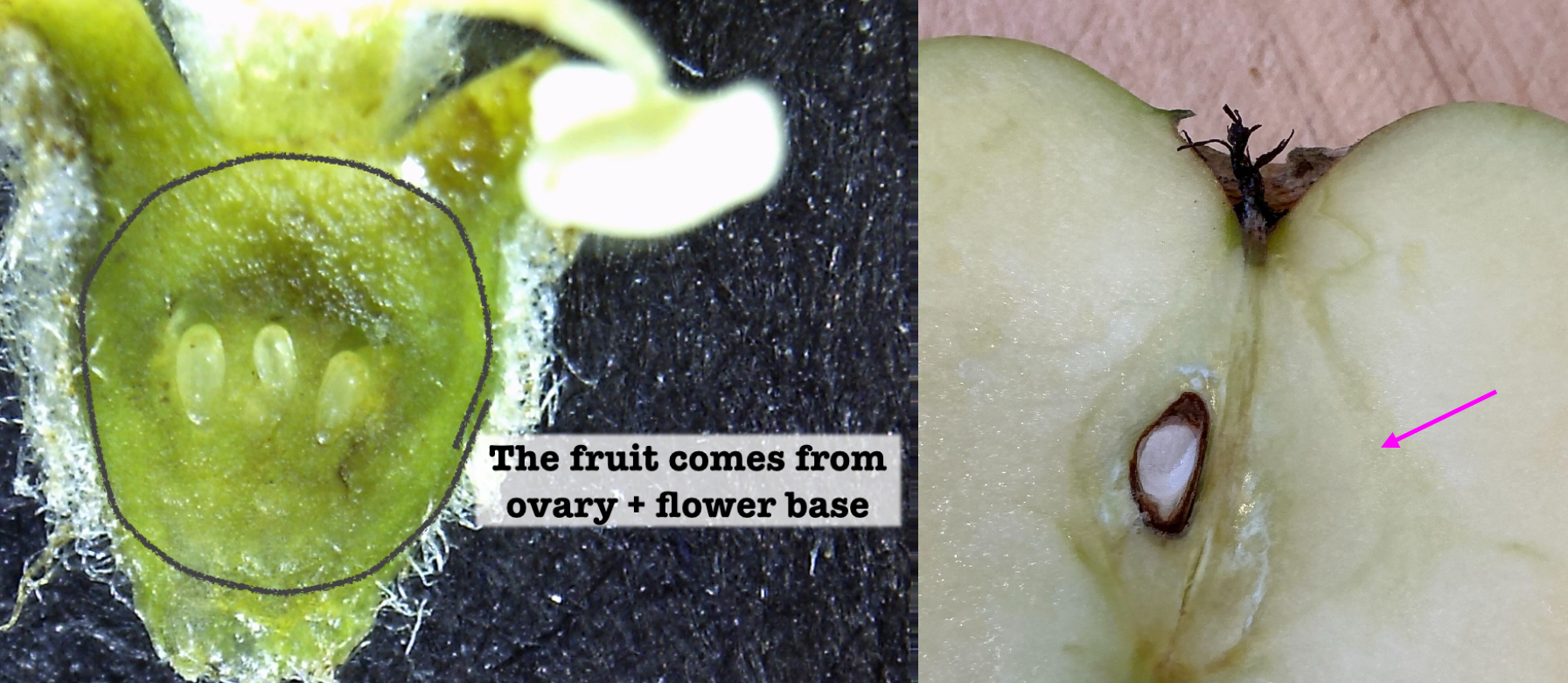
The hypanthium of a stone fruit flower never touches the ovary, withering away as the ovary ripens into a fruit. The hypanthium of an apple flower, however, adheres to the ovary wall and matures with it in tandem, both structures expanding into a band of crisp, juicy tissue.The colorful outermost peel of an apple, then, is from the hypanthium, not the ovary, as is the case in stone fruits. Therefore apples are accessory fruits because of the hypanthium tissue around the mature fruit, whereas stone fruits are not. The particular characteristics and arrangement of the hypanthium tissue in the apple is what makes it a pome.
Find the remnant flower parts on your apple
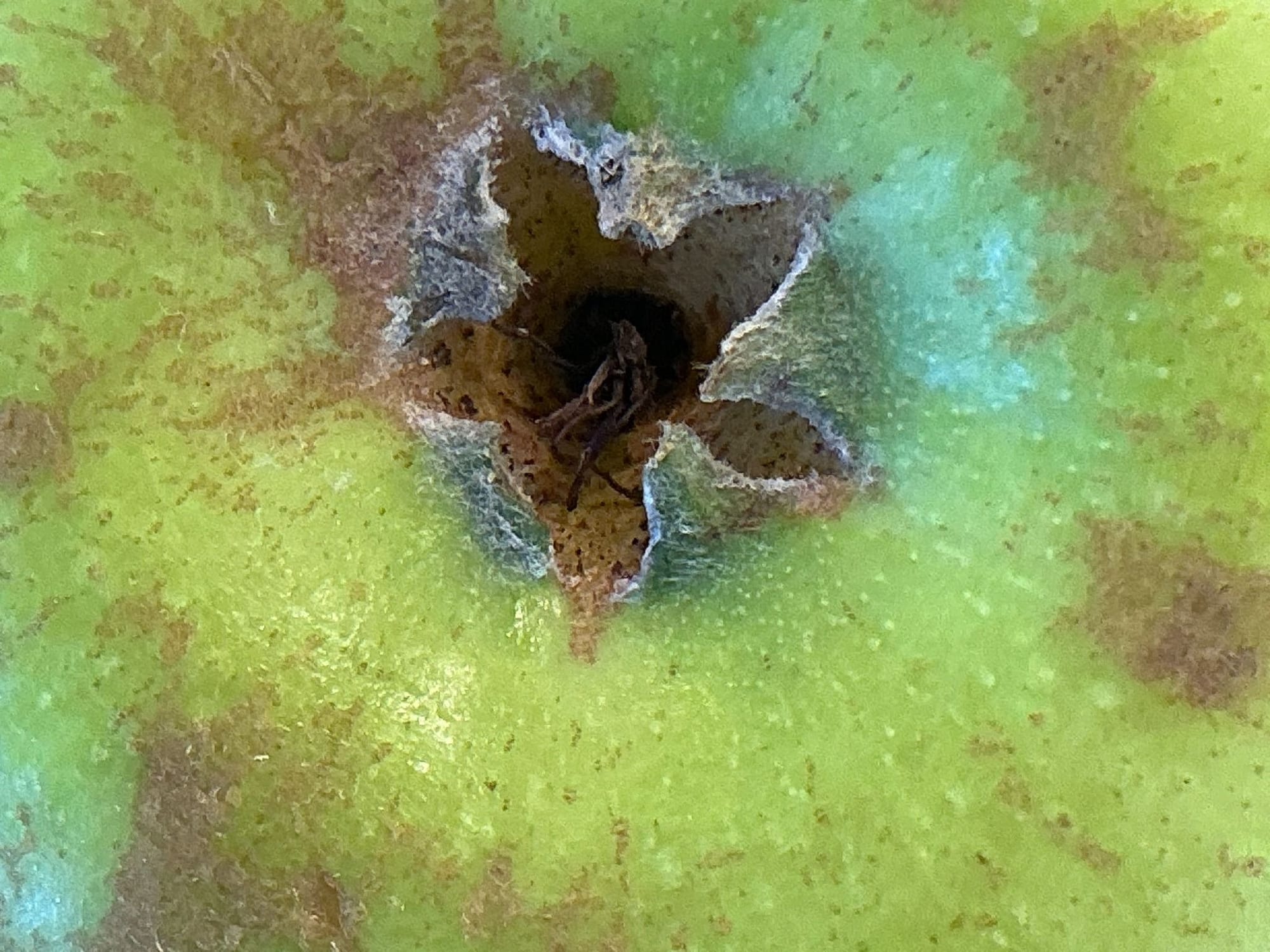
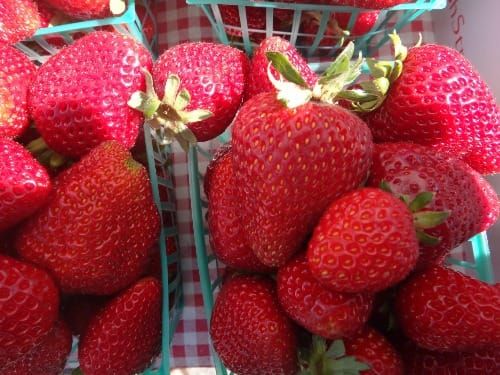
Does your apple still have a stem attached (at the “top”)? If so, it is the peduncle, the flower stalk, that has become lignified (woody). Now examine the “bottom” of the apple, where remnants of the flower are visible. There you can see a ring of sepals surrounding a bunch of pollen-bearing stamens and sometimes even the styles that lead down to the ovary. Fresh ripe strawberry fruits frequently have remnant flower parts, too, at least the collar-like green sepals, if not shriveled petals and stamens, as well. Notice, however, that the strawberry flower remnants are on the same side of the fruits as the stem, not opposite, as in apple. This is because the strawberry ovaries are elevated on the conical receptacle (superior), not buried below the other floral whorls in a hypanthium (inferior).
What color is your apple’s skin (the outermost layer of hypanthium)? Is the color uniform? Is there russeting––a patch of distinctly rough or cork-like skin?
Apple peels start green and ripen into yellow or red, at least in part, depending on the variety and environmental conditions. The green color is from chlorophyll, the pigment central to photosynthesis (immature fruits often photosynthetically contribute toward their own growth). Some apple varieties retain chlorophyll at maturity, such as Granny Smiths. Yellows on an apple peel are from carotenoid pigments; reds are anthocyanins (75–79). We go into more detail about these pigments in the April newsletter. Carotenoids and anthocyanins serve as antioxidants and photoprotectors. Anthocyanins in particular protect the developing fruit from sun damage. Often only the parts of the fruit that were exposed to the sun develop a blush–the tops and side facing away from the tree (80–86). Pigments also mediate stress from cold temperatures. Some varieties won’t become colorful until temperatures dip at the end of the growing season (87, 88).
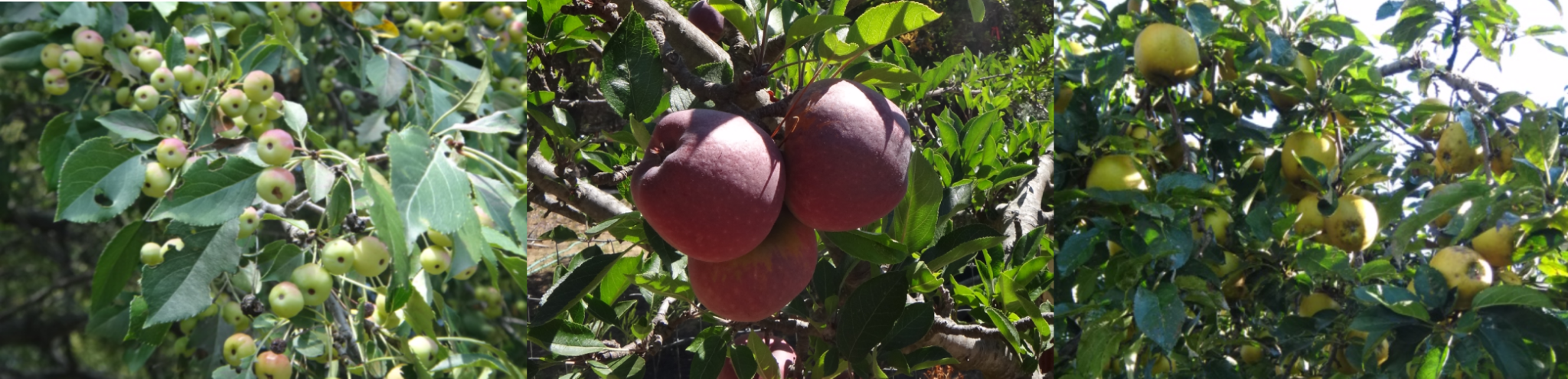
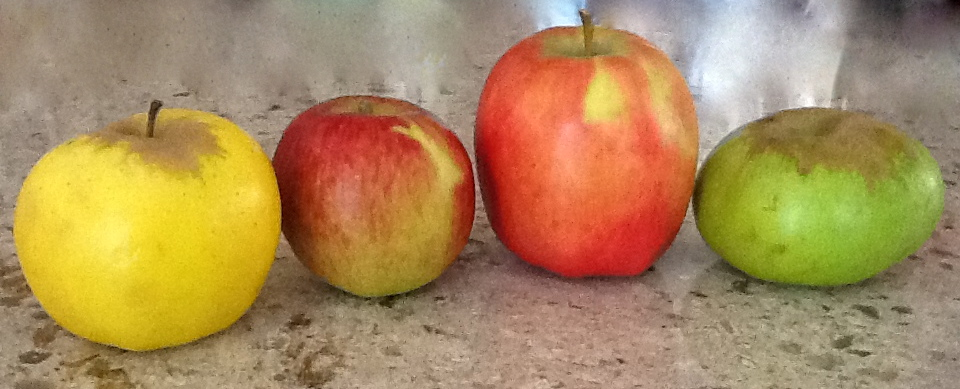
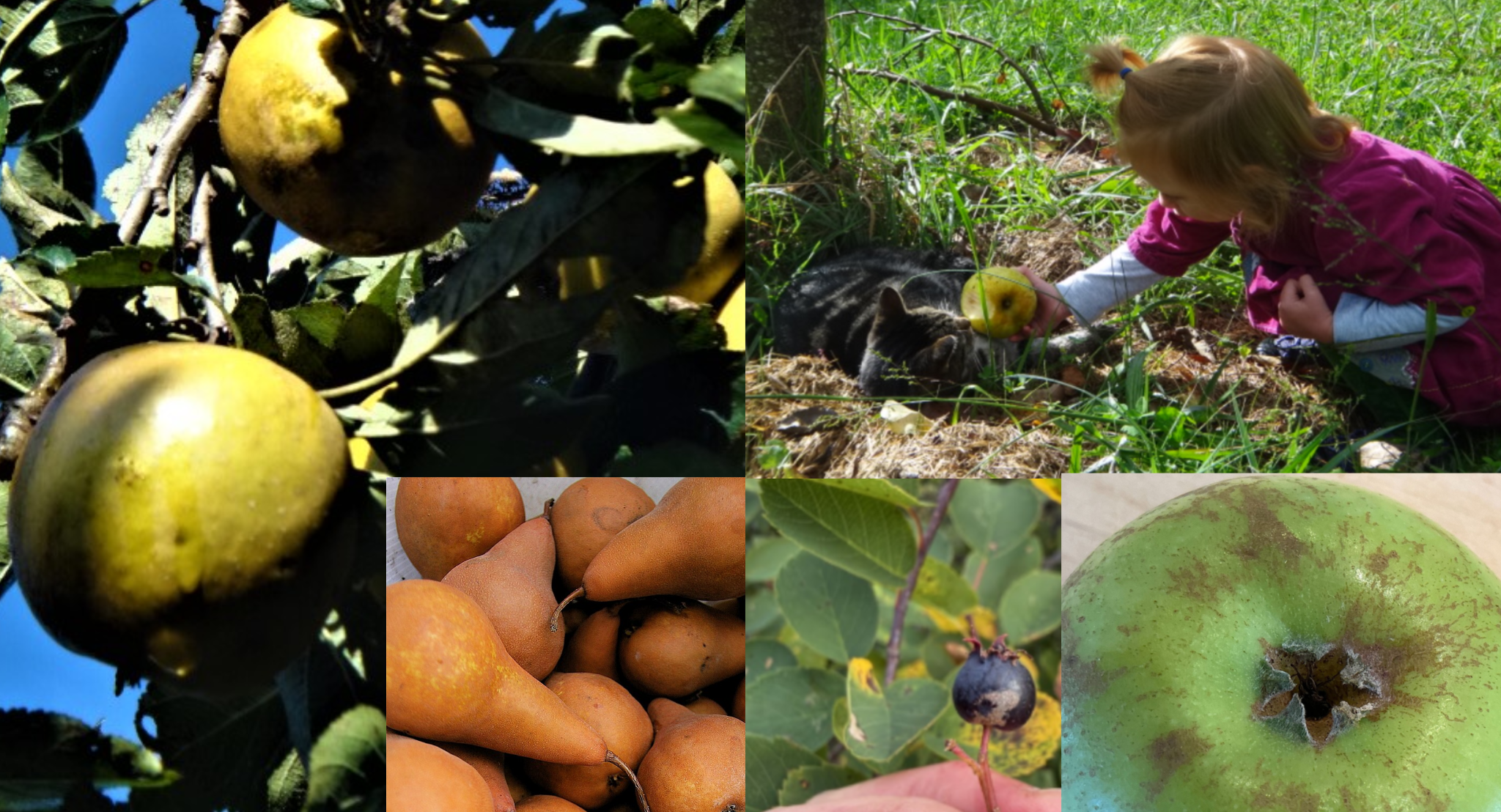
Russeting of the peel is a Maleae version of scar tissue, made of suberized (corky) cells (89–91). Some varieties of apple and pear are quite susceptible to it, routinely forming nearly entirely russeted peels, such as in Bosc pears and several heirloom apple varieties, like the Golden Russets pictured below. Russeting, however, is generally viewed as a defect in apples and usually just appears in patches where the peel was damaged. Russeting generally doesn’t affect the flavor of the fruit, but it does reduce the water tightness of the peels, so they cannot be stored as long as their perfectly waxy brethren.
A single cut
If you have only one apple, cut it in half in cross section (along the “equator”), so you can see the star shape inside (see the image below for guidance). If you have two apples, cut one in cross section, and cut the other in half longitudinally, from stem attachment to flower remnant.
Depending on your approach to eating apples, you may not actually consume any fruit at all. If you nibble the outer part, warily avoiding the core, then you might be missing the true fruit entirely. If, on the other hand, you eat all the way down to the core (or even eat the core itself like the Foodbeast guy) then you are definitely getting to the fruit. Core eaters beware: apple seeds can cause cyanide poisoning via the same mechanism that makes stone fruit seeds treacherous (as we explained in last month’s newsletter) (92, 93).
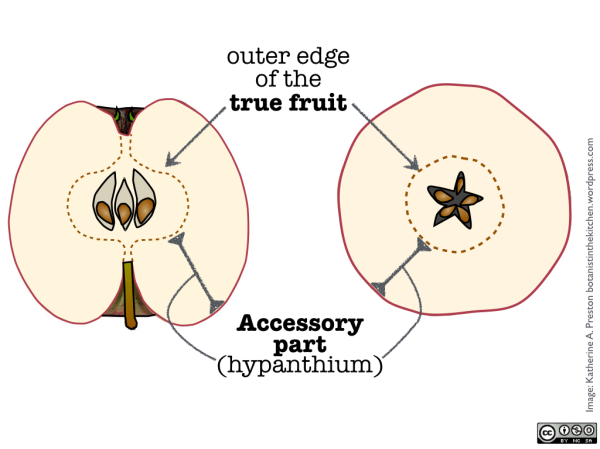
In all pomes, the “true” fruit – the part derived from the ovary – is buried inside the wide band of deliciousness derived from the hypanthium. In an apple, the bulk of what we eat is hypanthium (Greek for “under the little flower”). In spite of what some people assume, though, the actual ovary is not just the plasticky bits that surround the seeds and form the star in a cross-cut apple. Most of the ovary is fleshy and blends almost seamlessly into the rest of the apple. Its boundary is subtle, but you can see it in a cut apple outlined by a ring of vascular tissue (veins) surrounding the core.
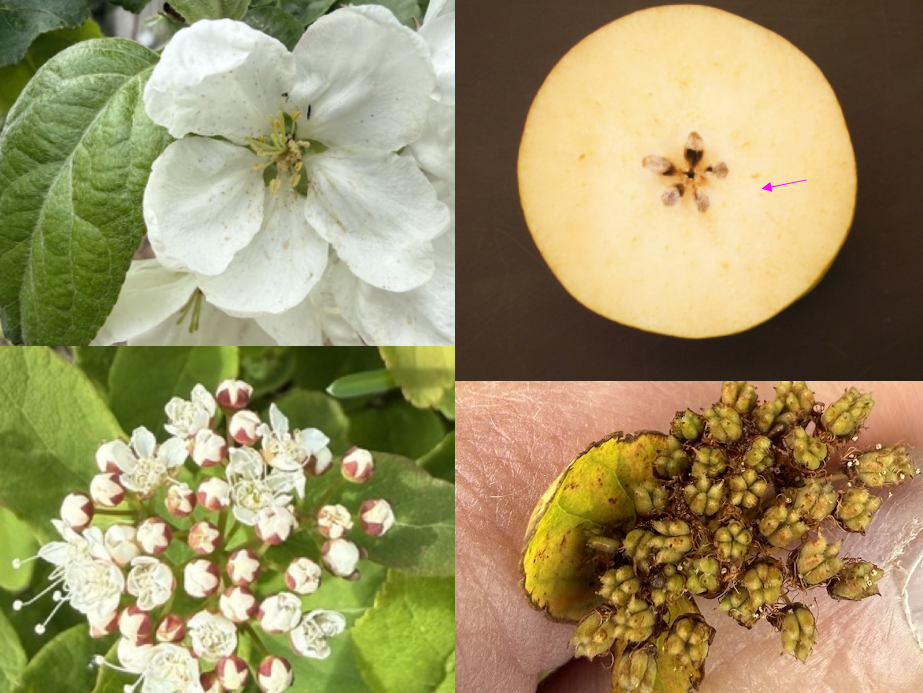
The star shape of the core in the cross-cut apple shows that the apple’s ovary is composed of five individual chambers, called carpels. The leathery skin that defines the core is the endocarp, the innermost layer of the ovary wall. This is developmentally equivalent to the layer that becomes the stony pit in stone fruits. An apple flower bears five stigmas, each corresponding to a single carpel (58, 94). If pollination (by insects) is successful, one or two seeds will develop in each carpel. If you were to carefully remove the juicy mesocarp and hypanthium from the endocarp (through meticulous chewing, for example), the result would be somewhat reminiscent of the fruits of Spiraea, in the sister tribe to the Maleae (see the phylogeny image in the introduction above and photos below). Spiraea fruits are also composed of five carpels, initially fused at the center, each called a follicle. The fruits will be dry and open at maturity. Most floral parts in the Rosaceae come in multiples of five (five petals and five sepals, for example).
Taste test
Cut a wedge from one of your apple halves and have a bite. Is your apple crunchy and juicy, or is the fruit advancing toward mushiness? Apple texture is directly related to fruit age, the integrity and composition of its cells, and the degree to which each apple variety imbues those cells with sugary juice. Katherine explains this and more in a blog post. Aroma, acidity, and astringency also varies with fruit age and variety, but elucidating those details will have to wait for another day.
Browning
Unless you’ve got an Arctic ® or Opal ® apple, the cut flesh of your apple may be starting to brown. The color has nothing to do with the apple’s freshness, only its storage temperature and the time it has been exposed to oxygen. You might even say that the apple is showing off its stress-induced tan, since one of the brown pigments produced is melanin. In apples and other fruits, the pigment doesn’t protect the plant from UV rays, but it does seem to interfere with insects’ digestion and may deter further damage. Enzymatic browning begins when cells are damaged (bitten or cut) and small phenolic compounds sequestered in one part of the cell (the vacuole–a storage bag for liquids) are liberated. The phenols are then free to react with enzymes called PPOs (polyphenol oxidases) which link them together into larger molecules that go on to form the dark colored polyphenols that insects and some people find objectionable.
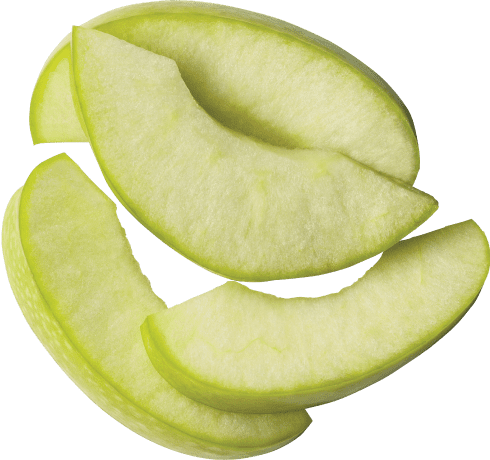
Cut apples will stay white if there are no functional PPO enzymes to turn phenols into brown pigments. In your kitchen, you can disable PPOs temporarily by adding lemon juice or vitamin C to your cut fruit. Plant geneticists can turn off a cell’s ability to make the enzymes in the first place. It turns out that there is a whole family of genes that code for slightly different PPOs. Scientists at Okanagan Specialty Fruits, Inc., had to target all four of the most important genes to shut down browning nearly completely in their patented Arctic ® Goldens and Arctic ® Grannies, which are Golden Delicious and Granny Smith apples, respectively, that have been every so slightly genetically modified (95) (they now have a nonbrowning version of Fuji apples, too). Katherine explains the specific mechanism by which this was achieved in a blog post.
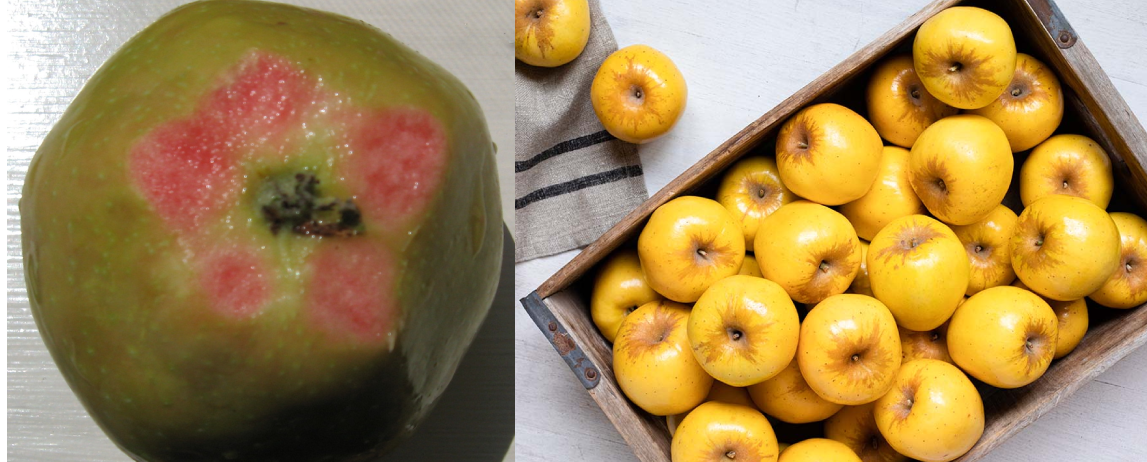
Opal® apples, like Arctics, stay white for a long time thanks to their low levels of polyphenol oxidases (PPOs). The big difference, which is heavily advertised, is that they are conventional hybrids, not genetically modified. Opals are derived in part from Golden Delicious (crossed with Topaz), so they strongly resemble Arctic Goldens in having rich amber-toned peels, although Opals have a charming bit of russeting around their stems. Opals were developed in Europe. In the US they are supplied by a single licensed grower in Washington State, so their annual supply is quite limited. Actually, Arctic apples are also grown in a single orchard in Washington State.
Some apple varieties produce anthocyanins in their mesocarp, tinting their flesh pink (96–99). One example (pictured above) is the Pink Pearl apple, which was developed via conventional breeding methods by a California farmer in the 1940s. Browning is less obvious in these varieties.
Pome evolution
Pomes may be the result of a huge genetic shift within the rose family about 50 million years ago. In 2010, a team of researchers published a draft of the apple genome, showing that the ancestor of the apple tribe experienced a duplication of its entire set of chromosomes (100). The duplication was followed by an expansion and diversification of a set of genes (MADS-box genes) that control flower and fruit development by regulating the expression of other genes.
But how do a few genetic switches turn the ancestral dry fruit (similar to the Spiraea fruits above) into an apple (9)? It turns out that one of these MADS-box genes is particularly important for making a fleshy fruit, and that when it is experimentally turned off, the resulting fruit is dry. Even more impressive, though, is that the same gene is also required for other fruit qualities – exactly those qualities that would make a fleshy fruit attractive to animal dispersers: color, aroma, and sugar content (101). How do you like them apples?
Gleanings and Baker's Dozen
Gleanings
- In BotanyOne magazine, Erika Alejandra Chaves-Diaz covers recent work about backyard papayas in Mexico hybridizing with their wild relatives, a phenomenon with papaya conservation implications.
- In Goya magazine, Arti Das describes how people in the Western Ghats use bamboo seeds as a grain. The seeds look big! She makes a point that this is “gluten free rice,” but, really, all rice is gluten free. She says that the bamboo in the region only flowers once, at the end of what could be a very long period of vegetative growth (meaning it is semelparous). It doesn’t sound like the bamboo stands flower every year, either, meaning some kind of masting may be involved. Fortunately the seeds reportedly store well.
- The FAO will henceforth include wild harvested food and “neglected and underutilized crops” in dietary assessment surveys, not just staple or commercially important crops. Perhaps some of Crop Trust’s “opportunity crops” will appear. Hat tip to the Agricultural Biodiversity Weblog for their coverage.
- Pigments in ancient Egyptian paintings contain all kinds of organic material, but a new study reports for the first time that oils from sesame and moringa were also used. Study summary is found in Nature.
- Jeanne lives in Alaska and was delighted to discover sophisticated plant ecology reporting in the August 29th issue of the Anchorage Daily News. Haley Dunleavy writes about the hemiparasitic woolly lousewort, one of the coolest tundra plants (it’s great for teaching folks about trichomes). She reports on recent research investigating whether its showy blooms might attract pollinators and therefore increase pollination of all plants in its vicinity, potentially offsetting harms to the plant from its nutritional larceny. We know that insect pollination increases fruitset in blueberries, and Haley opens her article with speculation that the woolly lousewort might benefit her berry harvest.
- Check out this excerpt from Andrea Wulf’s The Traveler: One Man's Quest for Humanity from the South Seas to Revolutionary Paris. The book is about 18th-century German explorer George Forster. The excerpt is about his notes on breadfruit and how links between language and breadfruit characteristics traced the history of Polynesian island colonization.
- The JSTOR Daily’s Plant of the Month is kudzu. It’s a severe invasive, even though many parts of it are edible, and the plant is otherwise potentially useful. See articles in Eat the Weeds and Doug Elliott’s book Wild Roots.
Bakers Dozen
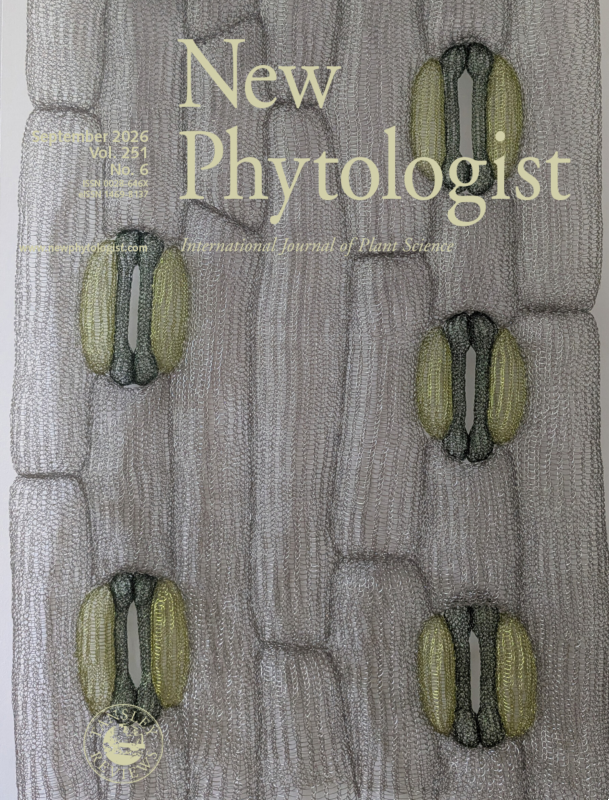
- An image of an extraordinary sculpture of stomata on wheat leaves, made of hand knit wire by Dr. Jodie Armand, graces the cover of the current issue of New Phytologist, in honor of their special virtual issue on stomata (image above). Why should foodies care about stomata? Lots of reasons, but two of them, as argued by papers in the issue, include impacts of stomatal density on grain yield and drought tolerance.
- Upcoming New Phytologist issues will include two interesting letters–a critique and a response–regarding a paper that we highlighted earlier in the year (Jin, L., et al. (2026)) on evolutionary patterns of seed dispersal:
- Wasowicz, P., and A. J. Green. (2026) Towards a clearer understanding of evolution of angiosperm dispersal: classical syndromes are subjective and should not be confused with mechanisms. New Phytologist. Online early.
- Jin, L., et al. (2026). Interpreting global spatiotemporal patterns in seed dispersal modes under data and methodological constraints. New Phytologist. Online early.
- We love the Brassicaceae, and Annals of Botany has a special issue dedicated to their -omics, including some new insight into the Triangle of U (Hoang, N. V., et al. (2026)).
- Perrier, X., et al. (2026). Beyond domestication: The unexpected contribution of native Musa wild relatives to cultivated banana diversity in Mainland Southeast Asia. PLOS One. This elucidates a cool history of hybridization blending with domestication and is a demonstration of the importance of crop wild relatives. The Agricultural Biodiversity Weblog provides a great analysis of the paper.
- Carruthers, T., Brockington, S.F., Maeda, H.A., Stull, G.W., Walker-Hale, N., Yang, Y. and Smith, S.A. (2026), Evolution in arid environments: the role of betalains, succulence, and medullary bundles. New Phytol. https://doi.org/10.1111/nph.71521. The pigment that makes beets, chard, and cactus fruits red is evolutionarily associated with drought tolerance and either succulence or having extra vascular tissue (but not both).
- Quaternary Science Reviews has an exciting special issue: Putting domesticates in their place: A global examination of the biological, ecological, environmental, and cultural contexts of initial domestication and dispersal of domesticates.
- Kidyoo, A., et. al (2026), Fake figs, fooled fig wasps and rewarded phorid flies: brood-site mimicry and mutualism in Heterostemma ficoides (Apocynaceae). New Phytologist. https://doi.org/10.1111/nph.71480) In northern Thailand, a rare plant in the milkweed family makes a flower that looks and smells enough like a co-occuring fig that it attracts the fig’s specialist wasp pollinator. The wasp can’t reproduce, so it loses while the flower gets pollinated. Meanwhile, a fly is able to reproduce within the flower and carry pollen too. The story of several years of painstaking research into all aspects of this system––along with good writing––make the paper fun to read.
- King, A., et al. (2026) Cacao in the Mississippian World: Archaeogenomic evidence for T. cacao consumption at the Etowah Site, Georgia. PLOS One 21: e0353607.
- Lev-Mirom, Y., et al. (2026) Ancient grains illuminate the mosaic origin of domesticated wheat. Nature Plants 12: 954-963.
- Louderback, L. A., et al. (2026) Ancient use and long-distance transport of the Four Corners Potato (Solanum jamesii) across the Colorado Plateau: Implications for early stages of domestication. PLOS One 21: e0335671.
- Xiang, L., and D. Xiaokang. (2026) Awn reduction in rice: Rethinking a classical signature of domestication. Plant Communications 7: 101834.
- Snodgrass, S., et al. (2026) Maize genetic diversity is largely unstructured by human ethnolinguistic diversity in its center of origin. Pre-print.
- Oldie but Goodie: Poet and farmer Wendell Berry recently passed away. He was a longtime friend of fellow sustainable agriculture activist Wes Jackson, who put the notion of perennial grain crops into a lot of people’s heads. In his honor we highlight recent work on efforts to perennialize some staple grain crops and close with an excerpt from Berry’s poem “Planting Trees”.
Some useful recent reviews of perennializing grain crops are:
- Olsson, L., et al. (2024) What is the prospect of a perennial grain revolution of agriculture? Global Sustainability
- Paul, J. D., et al. (2024) A Perennial Green Revolution to address 21st-century food insecurity and malnutrition. Food and Energy Security 13: e568.
- Zhang, S., et al. (2023) Sustained productivity and agronomic potential of perennial rice. Nature Sustainability 6: 28-38.
- Gutknecht., J. L. (2026) Development and adoption of Kernza—A perennial grain crop for sustainable agriculture. Plants People Planet 8: 1517-1532.
The beginning of “Planting Trees” by Wendell Berry, from The Country of Marriage (1973)
In the mating of trees,
the pollen grain entering invisible
the domed room of the winds, survives
the ghost of the old forest
that was here when we came. The ground
invites it, and it will not be gone.
I become the familiar of that ghost
and its ally, carrying in a bucket
twenty trees smaller than weeds,
and I plant them along the way
of the departure of the ancient host.
I return to the ground its original music.
It will rise out of the horizon
of the grass, and over the heads
of weeds, and it will rise over
the horizon of men’s heads. As I age
in the world it will rise and spread,
and be for this place horizon
and orison, the voice of its winds.
References
1. H. F. Júnior, Between the Fig and the Apple: Forbidden Fruit in Romanesque Iconography. Rev. L’histoire Relig. 223, 2–2 (2006).
2. R. Appelbaum, Eve’s and Adam’s “Apple”: Horticulture, Taste, and the Flesh of the Forbidden Fruit in “Paradise Lost.” Milton Q. 36, 221–239 (2002).
3. J. Hu, K. Li, Y. Zou, From Eden to iPhone: The Image of the “Apple” in Peirce’s Semiotic Perspective. J. Glob. Arts Stud. 4 (2026).
4. A. Yadin-Israel, “Introduction: The Curious Case of the Apple” in Temptation Transformed (University of Chicago Press, 2023; https://www.degruyterbrill.com/document/doi/10.7208/chicago/9780226822129-002/html?lang=en), pp. 1–3.
5. R. N. Spengler, Origins of the Apple: The Role of Megafaunal Mutualism in the Domestication of Malus and Rosaceous Trees. Front. Plant Sci. 10 (2019).
6. R. N. Spengler, Nature’s Greatest Success: How Plants Evolved to Exploit Humanity (Univ of California Press, 2025).
7. R. N. Spengler, M. Petraglia, P. Roberts, K. Ashastina, L. Kistler, N. G. Mueller, N. Boivin, Exaptation Traits for Megafaunal Mutualisms as a Factor in Plant Domestication. Front. Plant Sci. 12 (2021).
8. R. N. Spengler, F. Kienast, P. Roberts, N. Boivin, D. R. Begun, K. Ashastina, M. Petraglia, Bearing Fruit: Miocene Apes and Rosaceous Fruit Evolution. Biol. Theory 18, 134–151 (2023).
9. Y. Xiang, C.-H. Huang, Y. Hu, J. Wen, S. Li, T. Yi, H. Chen, J. Xiang, H. Ma, Evolution of Rosaceae Fruit Types Based on Nuclear Phylogeny in the Context of Geological Times and Genome Duplication. Mol. Biol. Evol. 34, 262–281 (2017).
10. B.-B. Liu, C. Ren, M. Kwak, R. G. J. Hodel, C. Xu, J. He, W.-B. Zhou, C.-H. Huang, H. Ma, G.-Z. Qian, D.-Y. Hong, J. Wen, Phylogenomic conflict analyses in the apple genus Malus s.l. reveal widespread hybridization and allopolyploidy driving diversification, with insights into the complex biogeographic history in the Northern Hemisphere. J. Integr. Plant Biol. 64, 1020–1043 (2022).
11. S. Kantarbayev, A. Tallian, M. Grainger, B. K. Sandercock, A. Kopatz, Monitoring Brown Bears in Kazakhstan: A Pilot Study from the Altai Mountain Region. Ecol. Evol. 16, e73272 (2026).
12. J. Bergman, R. Ø. Pedersen, E. J. Lundgren, R. T. Lemoine, S. Monsarrat, E. A. Pearce, M. H. Schierup, J.-C. Svenning, Worldwide Late Pleistocene and Early Holocene population declines in extant megafauna are associated with Homo sapiens expansion rather than climate change. Nat. Commun. 14, 7679 (2023).
13. M. M. Pires, The Restructuring of Ecological Networks by the Pleistocene Extinction. Annu. Rev. Earth Planet. Sci. 52, 133–158 (2024).
14. A. C. Staver, J. O. Abraham, G. P. Hempson, A. T. Karp, J. T. Faith, The past, present, and future of herbivore impacts on savanna vegetation. J. Ecol. 109, 2804–2822 (2021).
15. J.-C. Svenning, R. T. Lemoine, J. Bergman, R. Buitenwerf, E. L. Roux, E. Lundgren, N. Mungi, R. Ø. Pedersen, The late-Quaternary megafauna extinctions: Patterns, causes, ecological consequences and implications for ecosystem management in the Anthropocene. Camb. Prisms Extinction 2, e5 (2024).
16. E. A. Pearce, F. Mazier, S. Normand, R. Fyfe, V. Andrieu, C. Bakels, Z. Balwierz, K. Bińka, S. Boreham, O. K. Borisova, A. Brostrom, J.-L. de Beaulieu, C. Gao, P. González-Sampériz, W. Granoszewski, A. Hrynowiecka, P. Kołaczek, P. Kuneš, D. Magri, M. Malkiewicz, T. Mighall, A. M. Milner, P. Möller, M. Nita, B. Noryśkiewicz, I. A. Pidek, M. Reille, A.-M. Robertsson, J. S. Salonen, P. Schläfli, J. Schokker, P. Scussolini, V. Šeirienė, J. Strahl, B. Urban, H. Winter, J.-C. Svenning, Substantial light woodland and open vegetation characterized the temperate forest biome before Homo sapiens. Sci. Adv. 9, eadi9135 (2023).
17. Y. Malhi, C. E. Doughty, M. Galetti, F. A. Smith, J.-C. Svenning, J. W. Terborgh, Megafauna and ecosystem function from the Pleistocene to the Anthropocene. Proc. Natl. Acad. Sci. 113, 838–846 (2016).
18. B. Blonder, B. J. Enquist, B. J. Graae, J. Kattge, B. S. Maitner, N. Morueta-Holme, A. Ordonez, I. Šímová, J. Singarayer, J.-C. Svenning, P. J. Valdes, C. Violle, Late Quaternary climate legacies in contemporary plant functional composition. Glob. Change Biol. 24, 4827–4840 (2018).
19. M. Galetti, M. Moleón, P. Jordano, M. M. Pires, P. R. Guimarães Jr., T. Pape, E. Nichols, D. Hansen, J. M. Olesen, M. Munk, J. S. de Mattos, A. H. Schweiger, N. Owen-Smith, C. N. Johnson, R. J. Marquis, J.-C. Svenning, Ecological and evolutionary legacy of megafauna extinctions. Biol. Rev. 93, 845–862 (2018).
20. T. J. Murchie, A. J. Monteath, M. E. Mahony, G. S. Long, S. Cocker, T. Sadoway, E. Karpinski, G. Zazula, R. D. E. MacPhee, D. Froese, H. N. Poinar, Collapse of the mammoth-steppe in central Yukon as revealed by ancient environmental DNA. Nat. Commun. 12, 7120 (2021).
21. H. S. Rogers, I. Donoso, A. Traveset, E. C. Fricke, Cascading Impacts of Seed Disperser Loss on Plant Communities and Ecosystems. Annu. Rev. Ecol. Evol. Syst. 52, 641–666 (2021).
22. Ç. Tavşanoğlu, D. D. Kazancı, A. Soyumert, A. Ertürk, C. Ü. Değirmenci, Seed dispersal by the brown bear in a mixed temperate forest: fruit type matters. Mammal Res. 66, 137–147 (2021).
23. R. N. Spengler, Anthropogenic Seed Dispersal: Rethinking the Origins of Plant Domestication. Trends Plant Sci. 25, 340–348 (2020).
24. M. A. Sinnott-Armstrong, M. J. Donoghue, W. Jetz, Dispersers and environment drive global variation in fruit colour syndromes. Ecol. Lett. 24, 1387–1399 (2021).
25. A. Schnitzler, C. Arnold, A. Cornille, O. Bachmann, C. Schnitzler, Wild European Apple (Malus sylvestris (L.) Mill.) Population Dynamics: Insight from Genetics and Ecology in the Rhine Valley. Priorities for a Future Conservation Programme. PLOS ONE 9, e96596 (2014).
26. H. Ruiz-Villar, A. Morales-González, E. Martínez-Vera, V. Penteriani, A. Ordiz, Seed dispersal by brown bears promotes trophic facilitation in a human-dominated landscape. Ecosphere 17, e70654 (2026).
27. T. T. Roulston, C. G. Armstrong, M. Batstone, K. Bobiwash, S. G. Borda, D. Bunsha, C. Ciotir, B. C. Husband, P. Manning, T. L. Moreau, A. S. Singh, T. W. Smith, J. Ulrich, Z. Migicovsky, Conservation challenges and opportunities for native apple (Malus) species in Canada. PLANTS PEOPLE PLANET 8, 134–156 (2026).
28. G. Pauly, C. Vanpé, M. Roy, P.-Y. Quenette, J. Sentilles, Y. Dumas, A. Chevalier, R. Chevalier, T. Daufresne, C. Baltzinger, Endozoochorous plant dispersal by the Brown Bear (Ursus arctos) in the Pyrénées: angiosperms but also ferns and mosses and the importance of disaggregation agents. Bot. Lett. 172, 119–131 (2025).
29. A. Malik, M. A. Yatoo, R. Ahmed, The geographies of apple cultivation: tracing the origins and dispersal of the wild apple Malus sieversii via the Silk Road to the Kashmir Valley. Geography 109, 137–144 (2024).
30. A. García-Rodríguez, J. Albrecht, S. Szczutkowska, A. Valido, N. Farwig, N. Selva, The role of the brown bear Ursus arctos as a legitimate megafaunal seed disperser. Sci. Rep. 11, 1282 (2021).
31. A. Cornille, T. Giraud, M. J. M. Smulders, I. Roldán-Ruiz, P. Gladieux, The domestication and evolutionary ecology of apples. Trends Genet. 30, 57–65 (2014).
32. A. Cornille, F. Antolín, E. Garcia, C. Vernesi, A. Fietta, O. Brinkkemper, W. Kirleis, A. Schlumbaum, I. Roldán-Ruiz, A Multifaceted Overview of Apple Tree Domestication. Trends Plant Sci. 24, 770–782 (2019).
33. J. Albrecht, H. Bocherens, K. A. Hobson, D. G. Drucker, A. Sergiel, J. E. Swenson, A. Zedrosser, A. Marciszak, E. Iregren, L. Drenzel, R. Kyselý, G. Lipecki, D. Makowiecki, J. Wagner, T. Zwijacz-Kozica, S. A. Fritz, E. Revilla, N. Selva, Dynamic omnivory shapes the functional role of large carnivores under global change. Nat. Commun. 16, 10896 (2025).
34. R. Tegtmeier, A. Švara, D. Gritsenko, A. Khan, Malus sieversii: a historical, genetic, and conservational perspective of the primary progenitor species of domesticated apples. Hortic. Res. 12, uhae244 (2025).
35. B. E. Juniper, D. J. Mabberley, The Story of the Apple (Timber Press, 2006).
36. M. Pollan, The Botany of Desire: A Plant’s-Eye View of the World (Random House Publishing Group, 2002).
37. T. Davies, S. Watts, K. McClure, Z. Migicovsky, S. Myles, Phenotypic divergence between the cultivated apple (Malus domestica) and its primary wild progenitor (Malus sieversii). PLOS ONE 17, e0250751 (2022).
38. R. N. Spengler, Anthropogenic Seed Dispersal: Rethinking the Origins of Plant Domestication. Trends Plant Sci. 25, 340–348 (2020).
39. N. P. Howard, S. Vanderzande, G. Khan, J. J. Luby, G. M. Volk, D. C. Albach, C. Peace, Identifying the contributions of progenitor Malus species to cultivated apple (M. domestica) using 20K SNP array data. BMC Genomics 27, 536 (2026).
40. X. Chen, R. Dadole, K. Avia, A. Venon, M. Brisson, C. Remoué, D. Zhang, I. Gabrielyan, A. Nersesyan, A. Roman, T. Ursu, A. Alhmedi, D. Bylemans, T. Beliën, A. Rousselet, M. L. Guilloux, E. Dapena, C.-E. Durel, T. Kirisits, G. Volk, F. Didelot, A. Lemarquand, T. Hance, A. Cornille, Gene flow from the European wild apple and selection shaped the domesticated apple genome. Curr. Biol. 36, 2104-2118.e7 (2026).
41. A. Feurtey, A. Cornille, J. A. Shykoff, A. Snirc, T. Giraud, Crop-to-wild gene flow and its fitness consequences for a wild fruit tree: Towards a comprehensive conservation strategy of the wild apple in Europe. Evol. Appl. 10, 180–188 (2017).
42. A. Cornille, A. Feurtey, U. Gélin, J. Ropars, K. Misvanderbrugge, P. Gladieux, T. Giraud, Anthropogenic and natural drivers of gene flow in a temperate wild fruit tree: a basis for conservation and breeding programs in apples. Evol. Appl. 8, 373–384 (2015).
43. A. Cornille, P. Gladieux, M. J. M. Smulders, I. Roldán-Ruiz, F. Laurens, B. L. Cam, A. Nersesyan, J. Clavel, M. Olonova, L. Feugey, I. Gabrielyan, X.-G. Zhang, M. I. Tenaillon, T. Giraud, New Insight into the History of Domesticated Apple: Secondary Contribution of the European Wild Apple to the Genome of Cultivated Varieties. PLOS Genet. 8, e1002703 (2012).
44. Z. Migicovsky, K. M. Gardner, C. Richards, C. Thomas Chao, H. R. Schwaninger, G. Fazio, G.-Y. Zhong, S. Myles, Genomic consequences of apple improvement. Hortic. Res. 8, 9 (2021).
45. W. Li, C. Chu, T. Zhang, H. Sun, S. Wang, Z. Liu, Z. Wang, H. Li, Y. Li, X. Zhang, Z. Geng, Y. Wang, Y. Li, H. Zhang, W. Fan, Y. Wang, X. Xu, L. Cheng, D. Zhang, Y. Xiong, H. Li, B. Zhou, Q. Guan, C. H. Deng, Y. Han, H. Ma, Z. Han, Pan-genome analysis reveals the evolution and diversity of Malus. Nat. Genet. 57, 1274–1286 (2025).
46. T. Wang, S. Duan, C. Xu, Y. Wang, X. Zhang, X. Xu, L. Chen, Z. Han, T. Wu, Pan-genome analysis of 13 Malus accessions reveals structural and sequence variations associated with fruit traits. Nat. Commun. 14, 7377 (2023).
47. J. Urrestarazu, C. Denancé, E. Ravon, A. Guyader, R. Guisnel, L. Feugey, C. Poncet, M. Lateur, P. Houben, M. Ordidge, F. Fernandez-Fernandez, K. M. Evans, F. Paprstein, J. Sedlak, H. Nybom, L. Garkava-Gustavsson, C. Miranda, J. Gassmann, M. Kellerhals, I. Suprun, A. V. Pikunova, N. G. Krasova, E. Torutaeva, L. Dondini, S. Tartarini, F. Laurens, C.-E. Durel, Analysis of the genetic diversity and structure across a wide range of germplasm reveals prominent gene flow in apple at the European level. BMC Plant Biol. 16, 130 (2016).
48. B. L. Gross, A. D. Henk, C. M. Richards, G. Fazio, G. M. Volk, Genetic diversity in Malus ×domestica (Rosaceae) through time in response to domestication. Am. J. Bot. 101, 1770–1779 (2014).
49. B. Vinceti, M. Elias, R. Azimov, M. Turdieva, S. Aaliev, F. Bobokalonov, E. Butkov, E. Kaparova, N. Mukhsimov, S. Shamuradova, K. Turgunbaev, N. Azizova, J. Loo, Home gardens of Central Asia: Reservoirs of diversity of fruit and nut tree species. PLOS ONE 17, e0271398 (2022).
50. Z. Tang, Z. Liang, H. Deng, L. Li, J. Ru, S. Li, J. Miao, C. Zhang, X. Gao, Integrative morphological and genomic analyses reveal diversity, reticulate evolution, and adaptation in diploid and tetraploid Rosa species from Xinjiang. Mol. Phylogenet. Evol. 218, 108555 (2026).
51. M. Kennedy, Un-cultivation in America: Discourses of Wild and Foraged Apples. Plant Perspect. 2, 385–408 (2025).
52. S. Matsumoto, Apple Pollination Biology for Stable and Novel Fruit Production: Search System for Apple Cultivar Combination Showing Incompatibility, Semicompatibility, and Full-Compatibility Based on the S-RNase Allele Database. Int. J. Agron. 2014, 138271 (2014).
53. B. Larsen, N. P. Howard, C. Denancé, C.-E. Durel, C. Pedersen, J. S. af Sätra, L. Garkava-Gustavsson, M. Troggio, E. van de Weg, Cultivar fingerprinting and SNP-based pedigree reconstruction in Danish heritage apple cultivars utilizing genotypic data from multiple germplasm collections in the world. Genet. Resour. Crop Evol. 72, 2397–2411 (2025).
54. N. P. Howard, D. Micheletti, J. J. Luby, C.-E. Durel, C. Denancé, H. Muranty, M. Ordidge, D. C. Albach, Pedigree reconstruction for triploid apple cultivars using single nucleotide polymorphism array data. PLANTS PEOPLE PLANET 5, 98–111 (2023).
55. M. Eeraerts, J. Osterman, P. Batáry, A.-M. Klein, M. Albrecht, G. K. S. Andersson, A. Báldi, O. M. Bernauer, L. Blechschmidt, E. J. Blitzer, P. A. V. Borges, J. Bosch, K. L. W. Burns, A. J. Campbell, S. Castro, J. M. Cook, R. Daelemans, B. N. Danforth, A. G. de Groot, K. Dorji, R. Földesi, H. R. Gaines Day, D. García, L. A. Garibaldi, M. P. D. Garratt, A. Gonzalez, H. Grab, C. Gratton, M. K. Halvorsen, P. A. Hambäck, B. A. Hatteland, O. Honnay, E. Hulsmans, S. K. Vestheim, D. Kleijn, A. Kovács-Hostyánszki, M. J. Lechowicz, N. Leclercq, Y. Liu, J. Loureiro, R. E. Mallinger, L. Marshall, I. Meeus, M. Miñarro, D. N. Nabaes Jodar, A. Pardo, M. G. Park, R. J. Paxton, N. Pérez-Méndez, R. A. Pincante De Carvalho, P. Pirttilehto, M. Pisman, S. G. Potts, N. E. Raine, J. R. Reilly, L. Roquer-Beni, U. Samnegård, D. A. Stanley, L. Sutter, K. Teixeira-Martins, S. M. Tierney, R. Veldtman, N. J. Vereecken, F. Wäckers, T. Weekers, J. K. Wilson, P. Wu, K. Verheyen, Global synthesis of apple pollination research highlights general pollen limitation and positive contributions of wild bees compared to honeybees. J. Appl. Ecol. 62, 2487–2501 (2025).
56. L. Marini, M. Quaranta, P. Fontana, J. C. Biesmeijer, R. Bommarco, Landscape context and elevation affect pollinator communities in intensive apple orchards. Basic Appl. Ecol. 13, 681–689 (2012).
57. K.-L. J. Hung, S. L. Fan, C. G. Strang, M. G. Park, J. D. Thomson, Pollen carryover, pollinator movement, and spatial context impact the delivery of pollination services in apple orchards. Ecol. Appl. 33, e2917 (2023).
58. A. Olhnuud, Y. Liu, D. Makowski, T. Tscharntke, C. Westphal, P. Wu, M. Wang, W. van der Werf, Pollination deficits and contributions of pollinators in apple production: A global meta-analysis. J. Appl. Ecol. 59, 2911–2921 (2022).
59. T. Tscharntke, C. Ocampo-Ariza, W. Kämper, Pollinator, pollen, and cultivar identity drive crop quality. Trends Plant Sci. 30, 283–290 (2025).
60. S. Chabert, M. Eeraerts, L. W. DeVetter, M. Borghi, R. E. Mallinger, Intraspecific crop diversity for enhanced crop pollination success. A review. Agron. Sustain. Dev. 44, 50 (2024).
61. W. Kämper, H. M. Wallace, S. J. Trueman, Pollen genotyping by SABER–MassARRAY reveals that fewer than half of honey bee visits can cross-pollinate a self-incompatible crop. Proc. R. Soc. B Biol. Sci. 292, 20250891.
62. G. A. Langellotto, A. Melathopoulos, I. Messer, A. Anderson, N. McClintock, L. Costner, Garden Pollinators and the Potential for Ecosystem Service Flow to Urban and Peri-Urban Agriculture. Sustainability 10, 2047 (2018).
63. L. Carisio, S. S. Díaz, S. Ponso, A. Manino, M. Porporato, Effects of pollinizer density and apple tree position on pollination efficiency in cv. Gala. Sci. Hortic. 273, 109629 (2020).
64. J. J. Luby, D. S. Bedford, Cultivars as Consumer Brands: Trends in Protecting and Commercializing Apple Cultivars via Intellectual Property Rights. Crop Sci. 55, 2504–2510 (2015).
65. M. Feng, F. Augstein, A. Kareem, C. W. Melnyk, Plant grafting: Molecular mechanisms and applications. Mol. Plant 17, 75–91 (2024).
66. K. Mudge, J. Janick, S. Scofield, E. E. Goldschmidt, “A History of Grafting” in Horticultural Reviews (John Wiley & Sons, Ltd, 2009; https://onlinelibrary.wiley.com/doi/abs/10.1002/9780470593776.ch9), pp. 437–493.
67. F. Abid, Z. Zhang, G. Farooque, R. M. Zulqarnain, J. Rasheed, O. Osman, S. Alsubai, L. Jamel, The digital orchard: advanced data-driven technologies in apple breeding and genetic modification. Front. Plant Sci. 16 (2026).
68. H. Robinson, C. A. Robles-Zazueta, K. P. Voss-Fels, Accelerating perennial crop improvement via multi-omics-based predictive breeding. Plant Genome 18, e70058 (2025).
69. P. Asprelli, G. Cipriani, G. De Mori, Decoupling Additive and Non-Additive Genetic Effects to Optimize Breeding Strategies for Apple Phenology and Fruit Quality. Horticulturae 12, 93 (2026).
70. M. Criado, M. Brisson, K. Alix, Y. X. C. Bourgeois, O. François, É. Marchadier, A. Cornille, Genomic forecasting for climate-resilient fruit trees. New Phytol. 251, 1640–1653 (2026).
71. F. Laurens, M. J. Aranzana, P. Arus, D. Bassi, M. Bink, J. Bonany, A. Caprera, L. Corelli-Grappadelli, E. Costes, C.-E. Durel, J.-B. Mauroux, H. Muranty, N. Nazzicari, T. Pascal, A. Patocchi, A. Peil, B. Quilot-Turion, L. Rossini, A. Stella, M. Troggio, R. Velasco, E. van de Weg, An integrated approach for increasing breeding efficiency in apple and peach in Europe. Hortic. Res. 5, 11 (2018).
72. R. G. Keesing, The history of Newton’s apple tree. Contemp. Phys. 39, 377–391 (1998).
73. L. Zhang, D. F. Morales-Briones, J. Sun, X. Guo, P. Guo, H. Wang, Y. Wang, K. Zhang, X. Wang, F. Shang, Nuclear phylogeny of Malus with increased sampling provides new insights into biogeography and character evolution. BMC Plant Biol. 25, 1267 (2025).
74. X.-Y. Li, Z.-Q. Niu, Y.-W. Zheng, J.-L. Huang, D.-K. Ma, J.-X. Huang, Q. Hao, T.-C. Zhang, S.-Y. Xie, C. Xu, B.-B. Liu, Introgression shapes the genomic conflict landscape of Malus, providing evidence for a reticulate backbone in a woody crop lineage. Mol. Phylogenet. Evol. 225, 108702 (2026).
75. R. Delgado-Pelayo, L. Gallardo-Guerrero, D. Hornero-Méndez, Chlorophyll and carotenoid pigments in the peel and flesh of commercial apple fruit varieties. Food Res. Int. 65, 272–281 (2014).
76. J. González-Talice, J. A. Yuri, A. del Pozo, Relations among pigments, color and phenolic concentrations in the peel of two Gala apple strains according to canopy position and light environment. Sci. Hortic. 151, 83–89 (2013).
77. W. Wang, J.-M. Celton, G. Buck-Sorlin, S. Balzergue, E. Bucher, F. Laurens, Skin Color in Apple Fruit (Malus × domestica): Genetic and Epigenetic Insights. Epigenomes 4, 13 (2020).
78. C. Yang, S. Ying, B. Tang, C. Yu, Y. Wang, M. Wu, M. Liu, The mechanistic insights into fruit ripening: integrating phytohormones, transcription factors, and epigenetic modification. J. Genet. Genomics 52, 1475–1489 (2025).
79. P. Ao, Y. Ma, K. Luo, Y. Ding, H. Zhang, Y. Xu, S. Yuan, M. Zhang, H. Guo, G. Li, Y. Zhao, J. Liu, L. Zhao, Y. Zheng, Transcriptomic and Metabolic Profiles of Apple Peels of Different Colors. Plants 14, 3304 (2025).
80. E. T. Hamadziripi, K. I. Theron, M. Muller, W. J. Steyn, Apple Compositional and Peel Color Differences Resulting from Canopy Microclimate Affect Consumer Preference for Eating Quality and Appearance. doi: 10.21273/HORTSCI.49.3.384 (2014).
81. E. Trompette, T. W. Akakpo, J. Belleville, S. Hanteville, F. Bernard, B. Fontez, P. Loisel, A.-L. Fanciullino, J.-M. Celton, Climatic drivers of red-flesh coloration in apple. J. Agric. Food Res. 30, 103187 (2026).
82. Y. Liu, F. Che, L. Wang, R. Meng, X. Zhang, Z. Zhao, Fruit Coloration and Anthocyanin Biosynthesis after Bag Removal in Non-Red and Red Apples (Malus × domestica Borkh.). Molecules 18, 1549–1563 (2013).
83. M. Peavey, A. Scalisi, M. S. Islam, I. Goodwin, Fruit Position, Light Exposure and Fruit Surface Temperature Affect Colour Expression in a Dark-Red Apple Cultivar. Horticulturae 10, 725 (2024).
84. M. N. Merzlyak, O. B. Chivkunova, Light-stress-induced pigment changes and evidence for anthocyanin photoprotection in apples. J. Photochem. Photobiol. B 55, 155–163 (2000).
85. M. N. Merzlyak, A. E. Solovchenko, O. B. Chivkunova, Patterns of pigment changes in apple fruits during adaptation to high sunlight and sunscald development. Plant Physiol. Biochem. 40, 679–684 (2002).
86. J. R. Fouché, S. C. Roberts, S. J. E. Midgley, W. J. Steyn, Peel Color and Blemishes in ‘Granny Smith’ Apples in Relation to Canopy Light Environment. doi: 10.21273/HORTSCI.45.6.899 (2010).
87. Y. Zhao, J. Sun, S. Cherono, J.-P. An, A. C. Allan, Y. Han, Colorful hues: insight into the mechanisms of anthocyanin pigmentation in fruit. Plant Physiol. 192, 1718–1732 (2023).
88. W. J. Steyn, S. J. E. Wand, G. Jacobs, R. C. Rosecrance, S. C. Roberts, Evidence for a photoprotective function of low-temperature-induced anthocyanin accumulation in apple and pear peel. Physiol. Plant. 136, 461–472 (2009).
89. B. L. Gutierrez, G.-Y. Zhong, S. K. Brown, Increased phloridzin content associated with russeting in apple (Malus domestica (Suckow) Borkh.) fruit. Genet. Resour. Crop Evol. 65, 2135–2149 (2018).
90. C. Li, Y. Wang, Y. L. Sun, X.-H. Qin, J. Su, X. Li, H. Dong, W. Zhang, Q.-Y. Yue, T. Zhang, H.-B. Wang, L. Li, X. Wang, C. Li, Y. Wang, Y. L. Sun, X.-H. Qin, J. Su, X. Li, H. Dong, W. Zhang, Q.-Y. Yue, T. Zhang, H.-B. Wang, L. Li, X. Wang, The periodicity of fruit russeting occurrence and the morphological changes in the epidermis across different stages of apple growth. Fruit Res. 6 (2025).
91. N. C. Sharma, P. Verma, P. Verma, P. Kumar, C. L. Sharma, S. Saini, Apple russeting-causes, physiology and control measures: A review. Planta 261, 41 (2025).
92. J. Kristl, L. P. Golenač, V. Sem, Dynamics of cyanogenic glycosides in apple and plum fruits, products, and byproducts: A concise review. J. Food Sci. 89, 6839–6862 (2024).
93. M. Senica, F. Stampar, R. Veberic, M. Mikulic-Petkovsek, Fruit Seeds of the Rosaceae Family: A Waste, New Life, or a Danger to Human Health? J. Agric. Food Chem. 65, 10621–10629 (2017).
94. C. S. Sheffield, R. F. Smith, P. G. Kevan, Perfect Syncarpy in Apple (Malus × domestica ‘Summerland McIntosh’) and its Implications for Pollination, Seed Distribution and Fruit Production (Rosaceae: Maloideae). Ann. Bot. 95, 583–591 (2005).
95. M. Z. Sultan, K. A. Farouk, M. M. Elbagoury, E. M. Yahia, Trends in biochemical, anatomical mechanisms and molecular aspects in enzymatic browning of apples: a review. Eur. Food Res. Technol. 251, 3305–3326 (2025).
96. P. Bouillon, E. Belin, A.-L. Fanciullino, S. Balzergue, S. Hanteville, Y. Letekoma, M. Cournol, F. Faris, A. Bouanich, D. Bréard, F. Bernard, J.-M. Celton, Fade into you: genetic control of pigmentation patterns in red-flesh apple (Malus domestica). Front. Plant Sci. 15 (2025).
97. L. Zhang, J. Hu, X. Han, J. Li, Y. Gao, C. M. Richards, C. Zhang, Y. Tian, G. Liu, H. Gul, D. Wang, Y. Tian, C. Yang, M. Meng, G. Yuan, G. Kang, Y. Wu, K. Wang, H. Zhang, D. Wang, P. Cong, A high-quality apple genome assembly reveals the association of a retrotransposon and red fruit colour. Nat. Commun. 10, 1494 (2019).
98. P. Bouillon, A.-L. Fanciullino, E. Belin, S. Hanteville, H. Muranty, F. Bernard, J.-M. Celton, Tracing the color: quantitative trait loci analysis reveals new insights into red-flesh pigmentation in apple (Malus domestica). Hortic. Res. 11, uhae171 (2024).
99. M. Jalali, M. Abedi, M. Tabarsa, D. A. Moreno, Superior phytochemical composition and antioxidant potential of wild red-fleshed apples: A comparative analysis across humid and dry ecosystems. LWT 239, 118950 (2026).
100. R. Velasco, A. Zharkikh, J. Affourtit, A. Dhingra, A. Cestaro, A. Kalyanaraman, P. Fontana, S. K. Bhatnagar, M. Troggio, D. Pruss, S. Salvi, M. Pindo, P. Baldi, S. Castelletti, M. Cavaiuolo, G. Coppola, F. Costa, V. Cova, A. Dal Ri, V. Goremykin, M. Komjanc, S. Longhi, P. Magnago, G. Malacarne, M. Malnoy, D. Micheletti, M. Moretto, M. Perazzolli, A. Si-Ammour, S. Vezzulli, E. Zini, G. Eldredge, L. M. Fitzgerald, N. Gutin, J. Lanchbury, T. Macalma, J. T. Mitchell, J. Reid, B. Wardell, C. Kodira, Z. Chen, B. Desany, F. Niazi, M. Palmer, T. Koepke, D. Jiwan, S. Schaeffer, V. Krishnan, C. Wu, V. T. Chu, S. T. King, J. Vick, Q. Tao, A. Mraz, A. Stormo, K. Stormo, R. Bogden, D. Ederle, A. Stella, A. Vecchietti, M. M. Kater, S. Masiero, P. Lasserre, Y. Lespinasse, A. C. Allan, V. Bus, D. Chagné, R. N. Crowhurst, A. P. Gleave, E. Lavezzo, J. A. Fawcett, S. Proost, P. Rouzé, L. Sterck, S. Toppo, B. Lazzari, R. P. Hellens, C.-E. Durel, A. Gutin, R. E. Bumgarner, S. E. Gardiner, M. Skolnick, M. Egholm, Y. Van de Peer, F. Salamini, R. Viola, The genome of the domesticated apple (Malus × domestica Borkh.). Nat. Genet. 42, 833–839 (2010).
101. H. S. Ireland, J.-L. Yao, S. Tomes, P. W. Sutherland, N. Nieuwenhuizen, K. Gunaseelan, R. A. Winz, K. M. David, R. J. Schaffer, Apple SEPALLATA1/2-like genes control fruit flesh development and ripening. Plant J. 73, 1044–1056 (2013).